
Retail Shelf Load Capacity: Ask for the Approved Arrangement
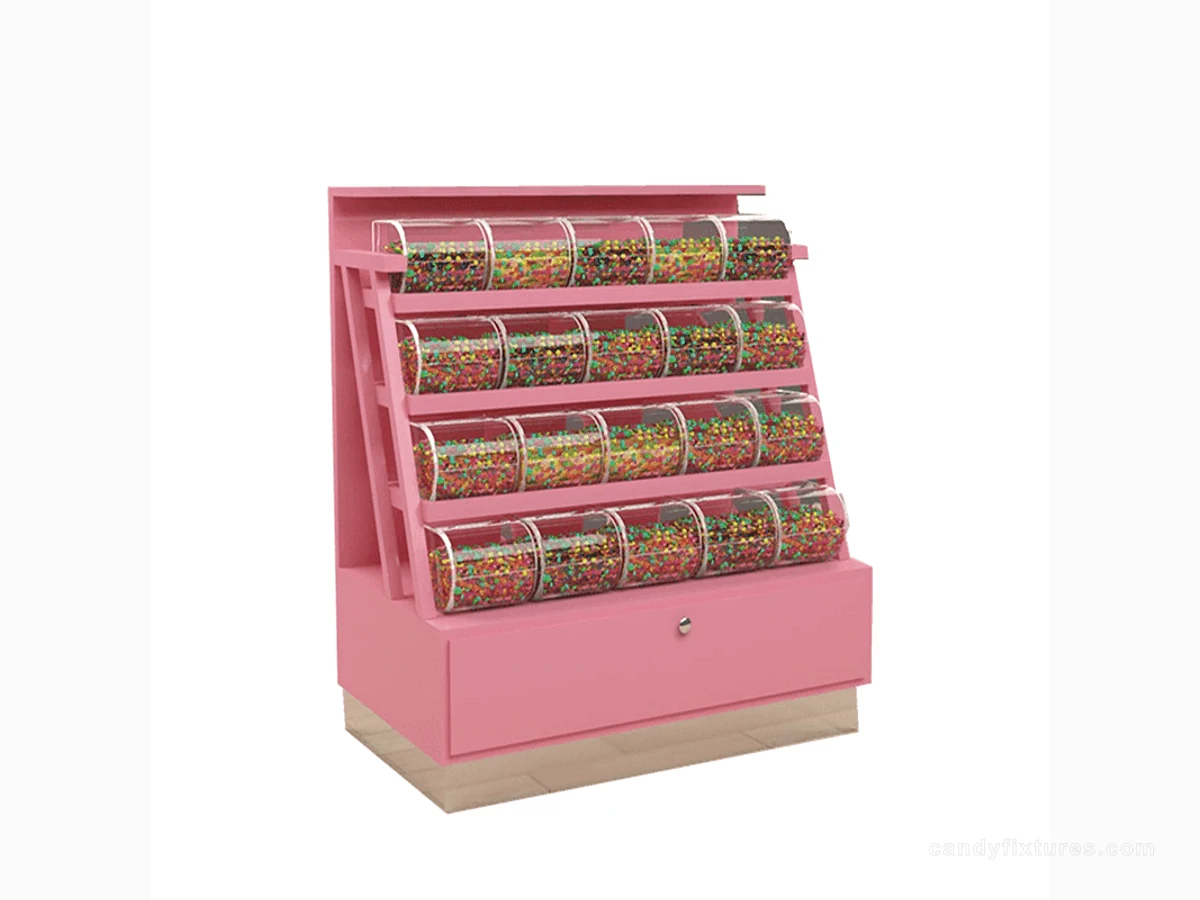
A shelf photograph does not establish a safe load. The rating must apply to the actual span, material, supports and installation.
Start with the decision
Describe the heaviest intended stock, its position and how staff will refill it. Include hanging loads, projecting accessories and any equipment that shares the shelf rather than counting only the merchandise.
Work through the details
Ask the supplier for the supported load and installation requirements for that exact arrangement. A thicker-looking panel or familiar rack shape is not a substitute for engineering information.

A planning example
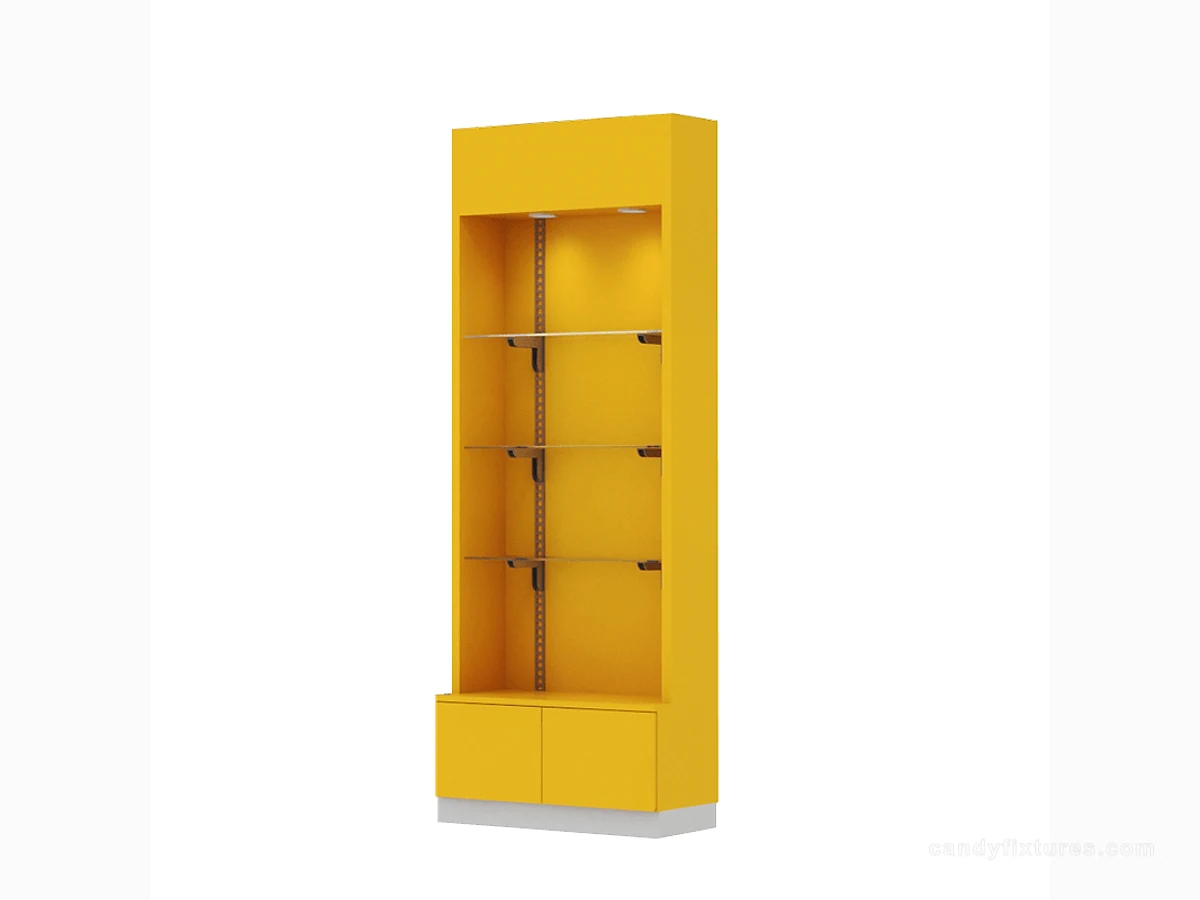
A shelf previously used for light gift bags is proposed for heavy jars. Treat that as a changed loading arrangement and request confirmation before use. Include the position of the jars and any shelf adjustment, because the support conditions may differ from the original approval.
Check it in the shop
Keep the approved limits with the fixture schedule and train staff not to exceed them. Reassess when shelf positions, fixings or product weight changes; do not conduct an improvised overload test in the shop.
Related products and planning pages
Pink Back-to-Back Candy RackYellow Shelf Cabinet with Clear Panels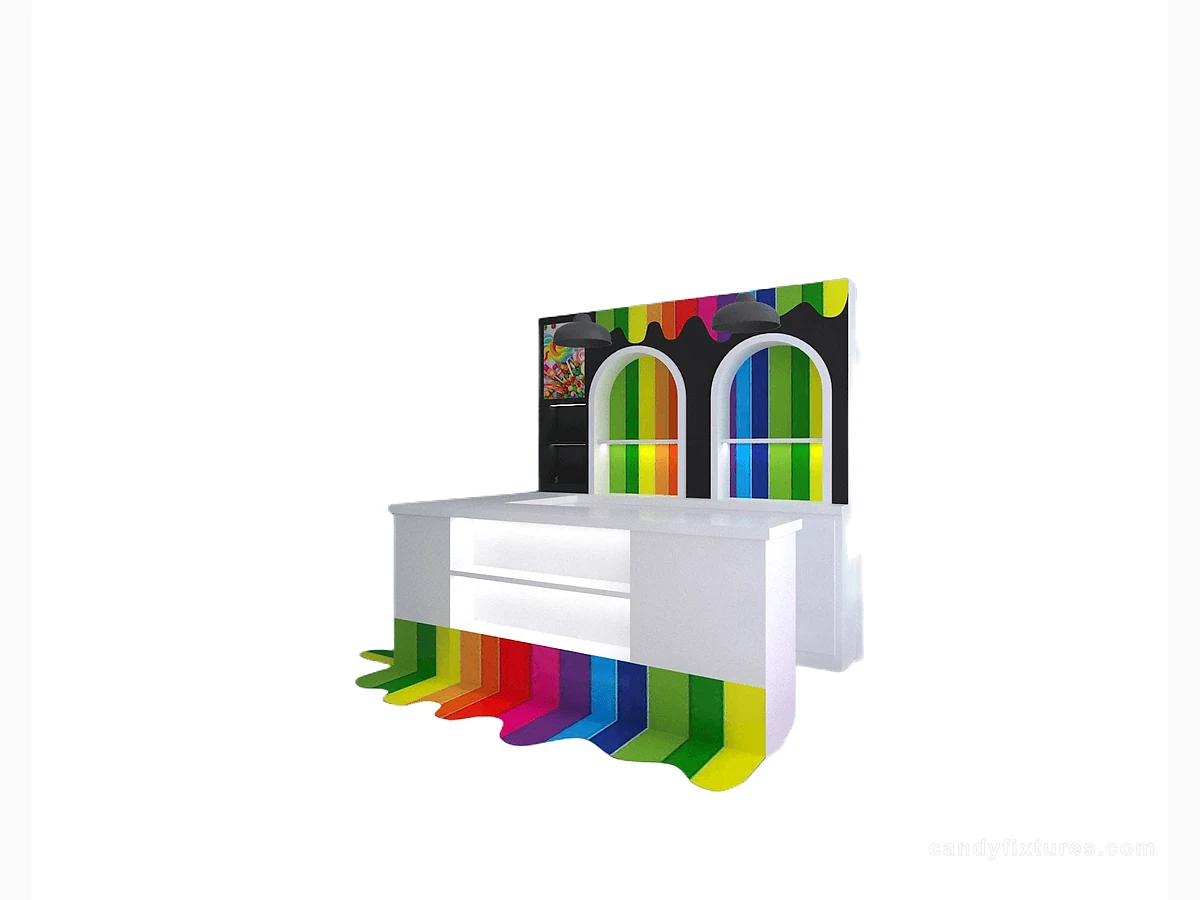 White L-Shaped Checkout Counter
 Layered Candy Gift Display with Base StorageGlass Candy Jar with Knob LidCompare the reference, then confirm its fit and supplied configuration.Candy Display RacksBrowse related product formats.Candy Store Display Fixtures: How to Choose Racks, Cabinets and CountersContinue with the related practical planning guide.Candy Store Fixture Installation: Receive, Position and Handover the Display SystemContinue with the related practical planning guide.Candy Store Storage Cabinets: Organize Backstock Without Hiding the Refill ProcessContinue with the related practical planning guide.
Frequently asked questions
Does an undamaged-looking shelf prove its capacity?
No. Appearance alone does not establish the load that its construction and installation are designed to support.
Sources and further reading
- OSHA — Handling materials: generalBackground reference retained for further reading. Check the requirements applicable to your product and location.
- U.S. Access Board — Accessible routesBackground reference retained for further reading. Check the requirements applicable to your product and location.
- U.S. Access Board — Protruding objectsBackground reference retained for further reading. Check the requirements applicable to your product and location.
Use the linked material as background. The accepted product information, equipment instructions and requirements applicable to your location determine the final operating and installation decisions.