
Candy Fixture Change Orders: Approve Scope, Cost and Timing Before Work Starts
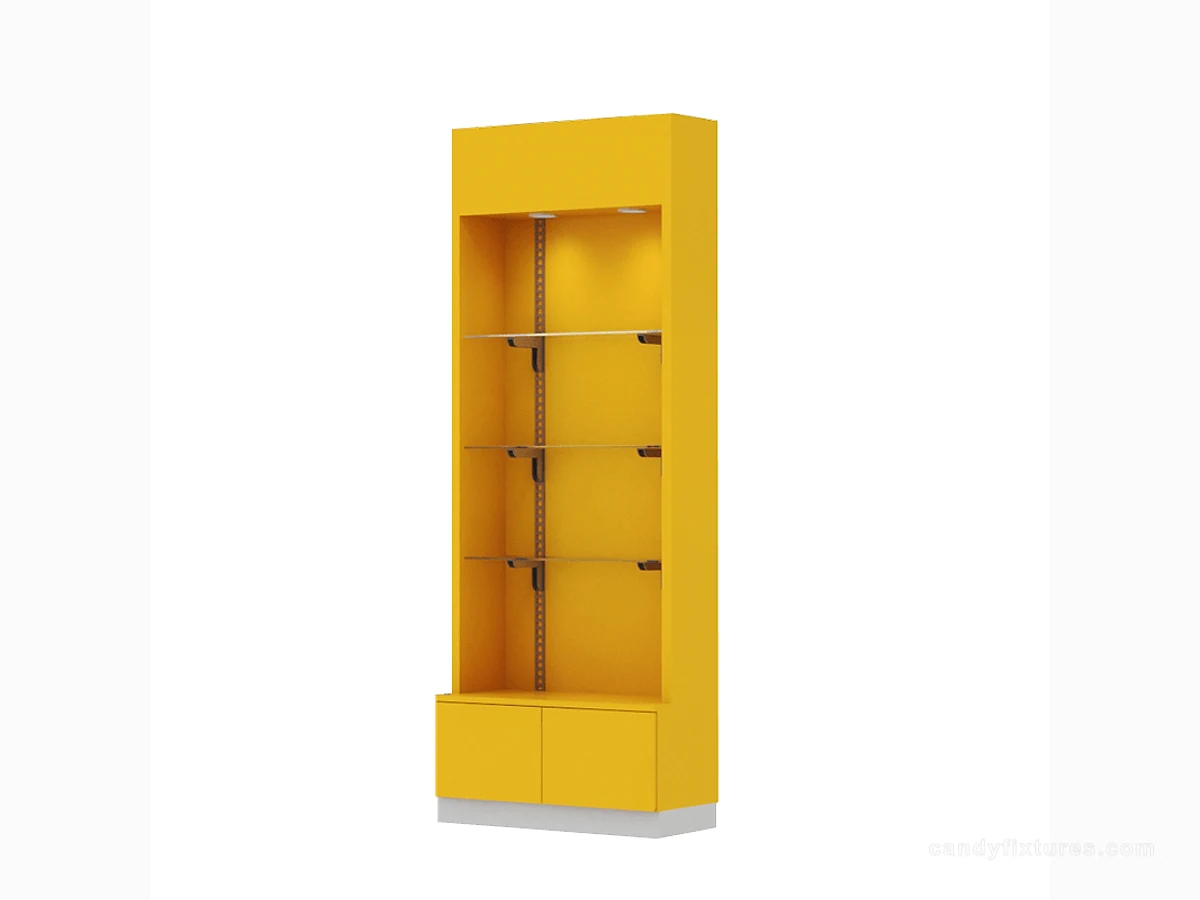
Manage a candy fixture change with a clear baseline, revised drawing, itemized price, delivery impact and written authorization before production or installation proceeds.
Start with the approved baseline
A retail fixture change order records an agreed alteration to work that has already been approved. For a candy shop, it can cover a revised counter length, different cabinet finish, extra storage compartment or changed delivery arrangement. Identify the original requirement, describe the proposed difference and obtain a clear decision on price and timing before instructing the work. A sketch in a message is a request for review until the authorized parties agree what it changes.
Collect the accepted quotation, purchase order, drawing revisions, finish references and written clarifications in one project folder. Check which documents the agreement treats as controlling and who can authorize a variation. Contracts and local requirements differ, so use the agreed process and seek appropriate advice when responsibility or entitlement is disputed. This guide provides a practical recordkeeping workflow, not a universal contract clause or a promise that a particular message is legally sufficient.
Keep requests, approvals and completion distinct. A store manager may identify a useful change without having authority to approve its cost. A supplier may acknowledge the request without agreeing to absorb it. Give each proposed change a reference and an owner, and retain its status until the responsible contact has made an explicit decision. This prevents a conversational yes from being interpreted differently by the designer, production team and installation crew.
Explain the business reason and the exact difference
Write the reason before selecting the remedy. If gift boxes do not fit beneath a shelf, include the actual pack dimensions and the handling task that fails. Ask the supplier to review suitable options rather than instructing an arbitrary shelf adjustment. Separate a new merchandising preference from an observed failure to meet the original requirement. Where the supplied item appears inconsistent with approved information, use the handover or warranty process to establish the facts instead of automatically accepting a chargeable redesign.
Describe both the current and proposed arrangement. Identify the fixture reference, position on the plan, affected components, quantity and finish. Attach marked drawings with revision names that can be distinguished without opening every file. A request to make the counter smaller leaves its height, depth, storage access and relationship to neighbouring fixtures unresolved. A dimensioned revision lets the supplier check those relationships and explain what else needs attention.
Record the evidence and the boundaries of the request. A photo of a boxed gift beside a cabinet is helpful context, but perspective is not a dependable measurement. Use a measured sample or confirmed packaging drawing for fit decisions. If other merchandise is still being selected, state that uncertainty. Do not approve production on the assumption that the remaining assortment will fit, then treat every subsequent packaging decision as an error by the fixture maker.
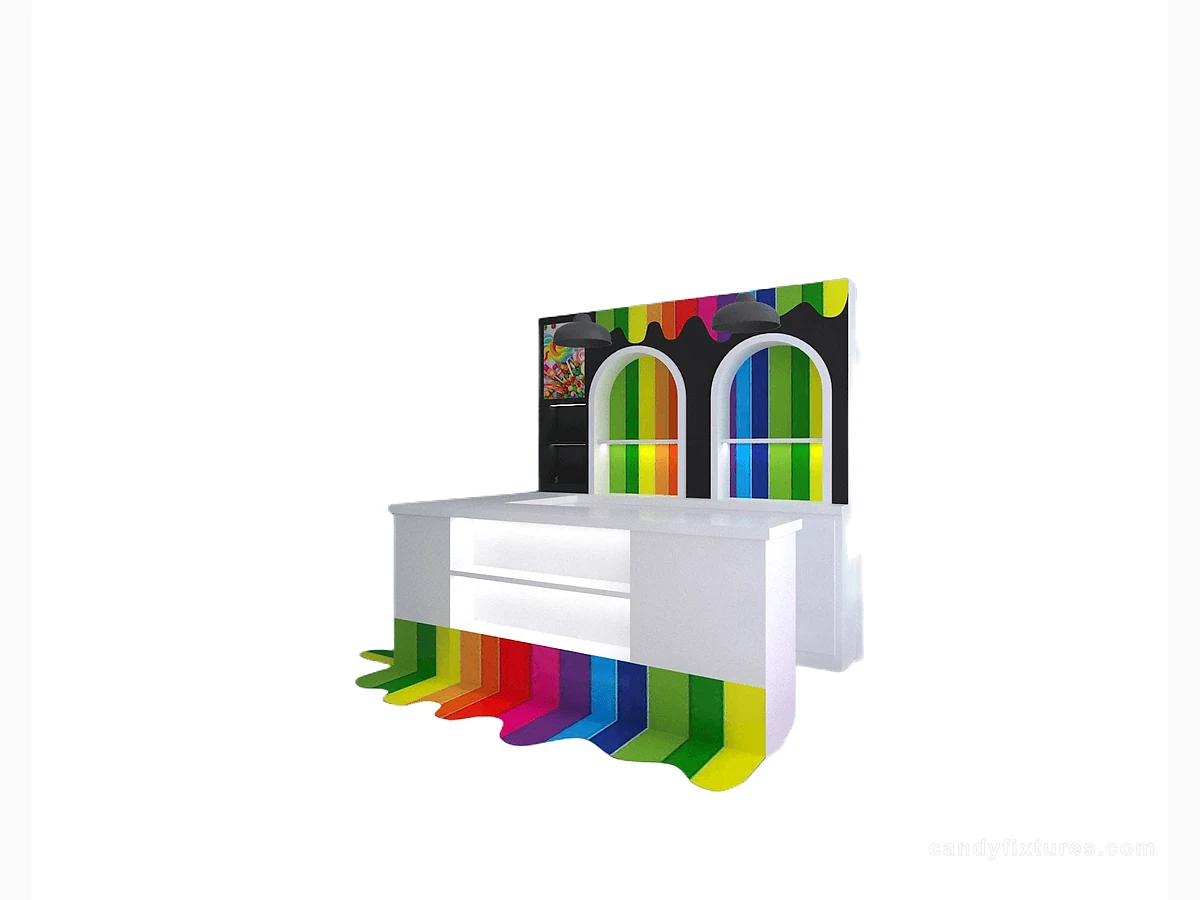

Review linked decisions before comparing prices
A local adjustment can affect the wider shop. A longer checkout may reduce space for queuing or change staff access to storage. A deeper wall display may affect the route beside it. Ask the appropriate designer or installer to review the revised arrangement against the measured site, adjoining work and applicable requirements. The US Access Board's accessibility guides help identify relevant topics, but they do not replace a project assessment or the requirements of another jurisdiction.
Check interfaces with work supplied by other parties. Lighting, power, signage, floor finishes and point-of-sale equipment may be outside the cabinet supplier's scope. Record who will confirm any affected connection or clearance. Do not assume a furniture drawing authorizes electrical alterations, and do not ask staff to modify an installed unit as a temporary solution. Where a possible hazard is involved, obtain competent advice about continued use before waiting for commercial approval.
Ask about dependencies that are not visible in a rendering. A finish substitution may require a new sample and approval. A layout revision may alter packing, access or installation sequence. A different component may require supporting information from its manufacturer. Record open questions next to the proposal and identify which answers are needed before authorization. A low initial variation price is not comparable with a complete offer if associated work and assumptions are left unstated.
Obtain a comparable written offer
Request an itemized response covering the changed work, any credit for omitted work, additional supply or installation tasks and the basis for delivery charges. Ask the supplier to identify exclusions and assumptions. Do not invent a standard percentage for change costs or assume that unused materials can always be credited. The appropriate commercial treatment depends on the agreement and the actual production position when the change is assessed.
Require a timing statement alongside the price. Ask which approval date the offer assumes, whether production is paused and which milestones move if the change is accepted. A statement that the change needs more time does not tell the store team whether the opening plan remains feasible. Seek revised dates or clearly defined dependencies, and identify the person responsible for confirming any date that is not yet firm.
Compare practical alternatives when the requested remedy is disruptive. The shop might revise the pack presentation, keep the original unit for one product range or defer a decorative enhancement until a later phase. Have qualified people assess any option that changes intended use or technical conditions. Document the chosen trade-off so that the project team understands why a workable compromise was accepted rather than repeatedly reopening the same discussion.
| Record field | What to include | Decision it supports |
|---|---|---|
| Baseline | Order and approved drawing revision | Identify what is changing |
| Scope | Unit, quantity, dimensions and marked revision | Prevent ambiguous instructions |
| Interfaces | Site, service and adjoining-work checks | Identify dependent approvals |
| Commercial effect | Added work, omitted work, exclusions and price | Approve the complete offer |
| Timing | Approval assumptions and revised milestones | Coordinate the opening plan |
| Closeout | Delivered revision and verification evidence | Confirm the agreed result |
This qualitative checklist is a project-management aid; use the change process in your actual agreement.
Authorize one controlled revision
Use a compact change record that links the request, accepted scope, supporting drawings, price decision and timing decision. Give the approver a clear choice: accept, reject or return for clarification. If acceptance depends on a condition, write that condition and obtain acknowledgement. Do not mark the change approved while a material price or safety question remains unanswered merely to keep the production schedule looking unchanged.
Retain the acceptance evidence with the current revision and send the relevant instructions through the agreed project contacts. A folder containing old and new drawings is not enough if the workshop cannot identify the authorized version. Ask for acknowledgement of the superseded revision and confirm which units are affected. Keep the historical files for traceability while making the current instruction obvious to the people doing the work.
Treat partial approval carefully. The owner might approve a finish sample while leaving revised storage dimensions unresolved. Record those as separate decisions and state whether any work may proceed. If the supplier proposes beginning unaffected work, confirm the boundary in writing. This avoids an accidental assumption that approval of a colour also authorizes a cost increase, a component substitution or a revised installation date.
If a request is withdrawn, record that decision and confirm whether any assessment or preparation charges remain under the agreement. Cancel superseded instructions through the same contacts who received them. A rejected proposal should remain identifiable in the history so that a later discussion does not accidentally revive an obsolete drawing or price.
Verify the delivered change against the agreement
At delivery or installation, identify the affected fixture and compare it with the authorized revision. Check the changed feature and its agreed interfaces rather than repeating only the original general inspection. A counter length revision should be checked against the accepted dimensions and the adjacent arrangement; a new compartment should be checked with the relevant merchandise and handling task. Use competent personnel for technical acceptance and retain the supplier's applicable instructions.
Keep incomplete work separate from an additional new request. If an approved change is missing, document that observation with the revision reference and agreed remedy. If the store now wants another alteration, open another request rather than overwriting the first change record. The punch list should refer back to the agreement; it should not become a place where unpriced design changes are quietly added during handover.
Close the commercial and operational records together. Confirm the accepted amount, invoice reference, any agreed credit and the final document set. Update the fixture schedule, maintenance information and staff instructions where the revision affects everyday use. The SBA's business-finance guidance reinforces the value of organized records; project-specific payment and acceptance decisions still belong to the parties under their actual agreement.
Use a small example and a repeatable checklist
Suppose a candy shop selects taller gift boxes after approving a shelf cabinet. The manager records the box dimensions and identifies the affected unit. The supplier reviews the shelf arrangement and any related constraints, then offers a revised drawing with an itemized price and a production impact. The authorized buyer compares that offer with keeping the existing shelf arrangement for smaller gifts. No workshop instruction is issued until the choice is recorded.
If the revision is accepted, the coordinator distributes the new drawing reference, confirms the affected quantity and updates the project milestones. At handover, the team checks the actual agreed arrangement and records the result. This is an illustrative workflow, not a statement about any product's adjustable shelving, loading capacity or modification options. Those characteristics must be confirmed for the specific supplied configuration.
Before closing a change, check that the baseline, reason, scope, interfaces, cost, timing, approver, current revision and verification result are all identifiable. If one field is unknown, record who will resolve it. Over time, review recurring changes for lessons in the original brief. Better packaging dimensions or earlier sample approval may prevent avoidable revisions on the next project, while retaining a controlled process for changes that remain necessary.
- Identify the original agreement and proposed difference.
- Resolve interfaces and open technical questions.
- Approve scope, price and timing through the authorized contact.
- Distribute the current revision and verify the delivered work.
Related products and planning pages
Yellow Shelf Cabinet with Clear PanelsWhite L-Shaped Checkout CounterLayered Candy Gift Display with Base Storage Yellow Framed Display with Oval OpeningCandy Store FixturesCompare display, counter and storage arrangements.Candy fixture planning guideConnect the operating requirement with the original store brief.Candy Fixture Punch List: Record Outstanding Work and Verify Each FixContinue with this complementary practical guide.Candy Fixture Lead Time: Build a Schedule from DependenciesContinue with this complementary practical guide.Custom Candy Store Fixtures: Turn the Reference into an Orderable BriefContinue with this complementary practical guide.
Frequently asked questions
Is every requested alteration a chargeable change?
No. First establish whether it changes the approved scope or concerns work that does not match the agreement. Review the facts and the agreed commercial process with the relevant parties.
Can a photo replace a revised drawing?
A photo can explain the concern, but it rarely defines all dimensions and interfaces. Use suitable measured information and an identifiable approved revision for work that needs it.
Who should approve a fixture change?
Use the person authorized under the project agreement. The store employee reporting the need and the person authorized to accept cost or timing changes may be different people.
What should happen after the changed fixture arrives?
Verify the agreed change, record outstanding issues, reconcile the commercial record and update the current fixture information and relevant staff instructions.
Sources and further reading
- US Access Board — Guide to the ADA Accessibility StandardsReview the relevant accessibility topics with the responsible project professional; applicability depends on the project.
- SBA — Manage your financesGeneral business recordkeeping context; follow the actual agreement for change authorization and payment.
Use the linked material as background. The accepted product information, equipment instructions and requirements applicable to your location determine the final operating and installation decisions.