
Candy Fixture Punch List: Record Outstanding Work and Verify Each Fix
Turn outstanding candy-display work into a clear punch list with unit references, evidence, responsible contacts, agreed remedies and a recorded reinspection.
Give each outstanding item a decision and an owner
A retail fixture punch list records the work still needing attention at handover and the evidence required to close it. In a candy shop, that means identifying the actual cabinet, describing the observed issue and agreeing who will arrange the remedy. Use it for incomplete or unsatisfactory work against the approved project scope. Keep new design requests separate, and never treat a list of defects as proof that a display is safe to use.
Begin with the approved order, drawings, agreed finish references and any written changes. Invite the people who can resolve questions about supply and installation. Choose one person to maintain the master list so that a photograph sent by the manager and a note sent by the installer do not become two disconnected repair instructions. A shared list can be a simple document; it needs a reliable owner more than an elaborate application.
Define the review boundary before walking the shop. A supplier may have supplied a counter while a local contractor installed adjacent signage or connected equipment. Record observations even when responsibility is uncertain, then obtain clarification through the agreed project contacts. Do not assign blame from appearance alone. If there is a potential safety issue, stop the affected use and obtain a competent assessment rather than waiting for the ordinary finishing-work appointment.
Match the walkthrough to identifiable fixtures
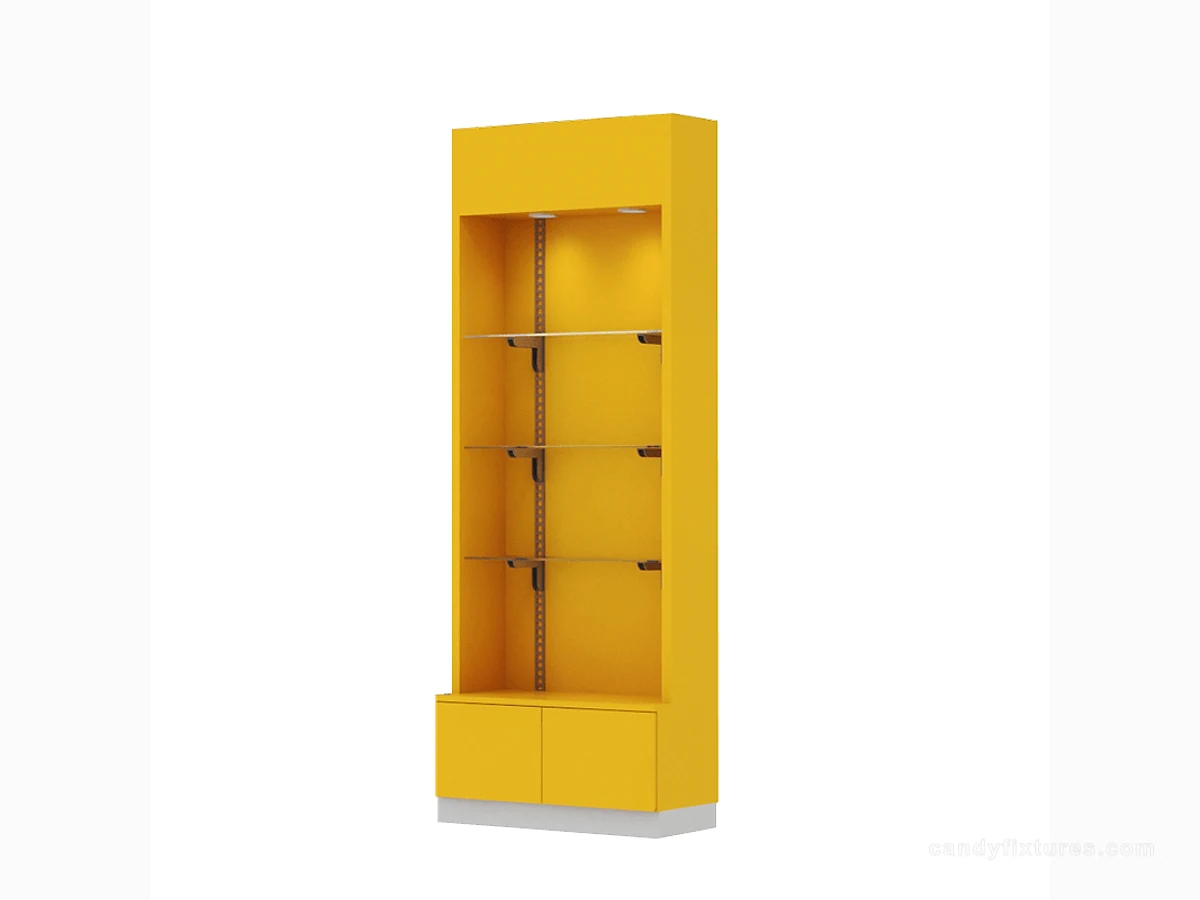
Assign short location references that remain clear after the merchandising is installed. Describe the yellow shelf cabinet near the entrance by its project reference and position, rather than calling it the yellow one when several units share the colour. Photograph the whole unit before recording a close detail. Include enough surrounding context to let a returning contractor locate the issue without asking staff to unload every display in the shop.
Walk through the agreed scope methodically: unit identity, supplied components, visible finish, storage access and outstanding instructions. Compare each observation with the relevant approved information. A missing shelf can be checked against the component schedule; a perceived colour difference may need the agreed sample and viewing arrangement. Do not convert a preference discovered during the walkthrough into an undocumented assertion that the supplier delivered the wrong specification.
Separate the visual review from technical verification. Store staff can report a door catching against an adjacent panel, but the appropriate installer should determine the cause and remedy. Do not force movement, remove supports or load shelves to test a suspected problem. Arrange qualified checks for stability, fixings, electrical work and any other applicable technical acceptance. Record the required evidence and person responsible, even if that specialist attends at a different time.

Write entries that can be resolved without guessing
Use one entry for one observable issue. Record the unit, precise location, current condition, relevant reference and requested outcome. For example, a base-storage door touching its neighbouring panel when opened is more useful than a note saying that the cabinet is poor quality. A short video may help the contractor understand movement, but it should accompany a location reference and written observation rather than replace them.
Distinguish the requested outcome from the proposed repair method. The manager may ask for the door to operate as agreed without rubbing; the supplier or installer should confirm how to achieve that result. Record the agreed method when it has been reviewed by the appropriate person. Avoid instructing staff to sand a panel, drill a new fixing or substitute a fitting just to reduce the number of open entries before launch.
Add an owner, a proposed attendance date and the evidence needed for reinspection. An owner can be the project coordinator responsible for obtaining a contractor response; it need not imply a final decision on contractual liability. Keep a pending-response status when responsibility is unresolved. A list becomes misleading when unknowns are silently assigned to the last person who visited the site or marked complete because an email was sent.
For a useful example, give an entry the reference C02-04, attach a photograph of the counter and mark the affected storage door. Ask the project contact to confirm the remedy and attendance requirements. After the visit, the reviewer records whether the original interference remains and links the follow-up photograph. The reference stays the same throughout, so a second manager can understand the result without reconstructing private messages.
Separate hold points from cosmetic follow-up
Triage by the consequence of using the affected unit and the advice of the competent people involved. A possible stability concern requires a different response from a minor agreed finish touch-up. Do not make a universal red, amber and green rule that authorizes staff to trade around unknown hazards. Instead, record the actual use decision, who approved it and any boundaries that remain until the remedy is verified.
Keep stock, service and customer routes in the decision. A counter may need a contractor visit that interrupts payment service, while a shelf repair may require the whole unit to be emptied. Plan a controlled work area and a suitable alternative stock location. The UK's HSE manual-handling guidance explains an approach of avoiding hazardous handling where possible, assessing unavoidable work and reducing its risks. Use it as a planning reference alongside the requirements for the actual location; it is not a completed risk assessment for this shop.
Accessibility also needs the correct project review. The US Department of Justice publishes the 2010 ADA Standards, including provisions relevant to routes and sales or service facilities. Applicability and exact requirements depend on the premises and work. Ask the responsible designer or access specialist to check the actual arrangement against the applicable requirements. An attractive cabinet photograph or a signed cosmetic punch list cannot establish that the completed shop meets them.
| Field | Record | Closeout check |
|---|---|---|
| Unit and location | Project reference and a whole-unit photo | Reviewer identifies the same display |
| Observation | One visible or reported condition | Compare with the agreed outcome |
| Responsible contact | Person arranging the remedy | Response and appointment recorded |
| Use decision | Competent decision and any restrictions | Readiness confirmed before reuse |
| Verification | Reinspection result and supporting evidence | Accept, reopen or retain pending status |
An operating template, not a technical inspection or contractual acceptance standard.
Arrange remedies around the operating shop
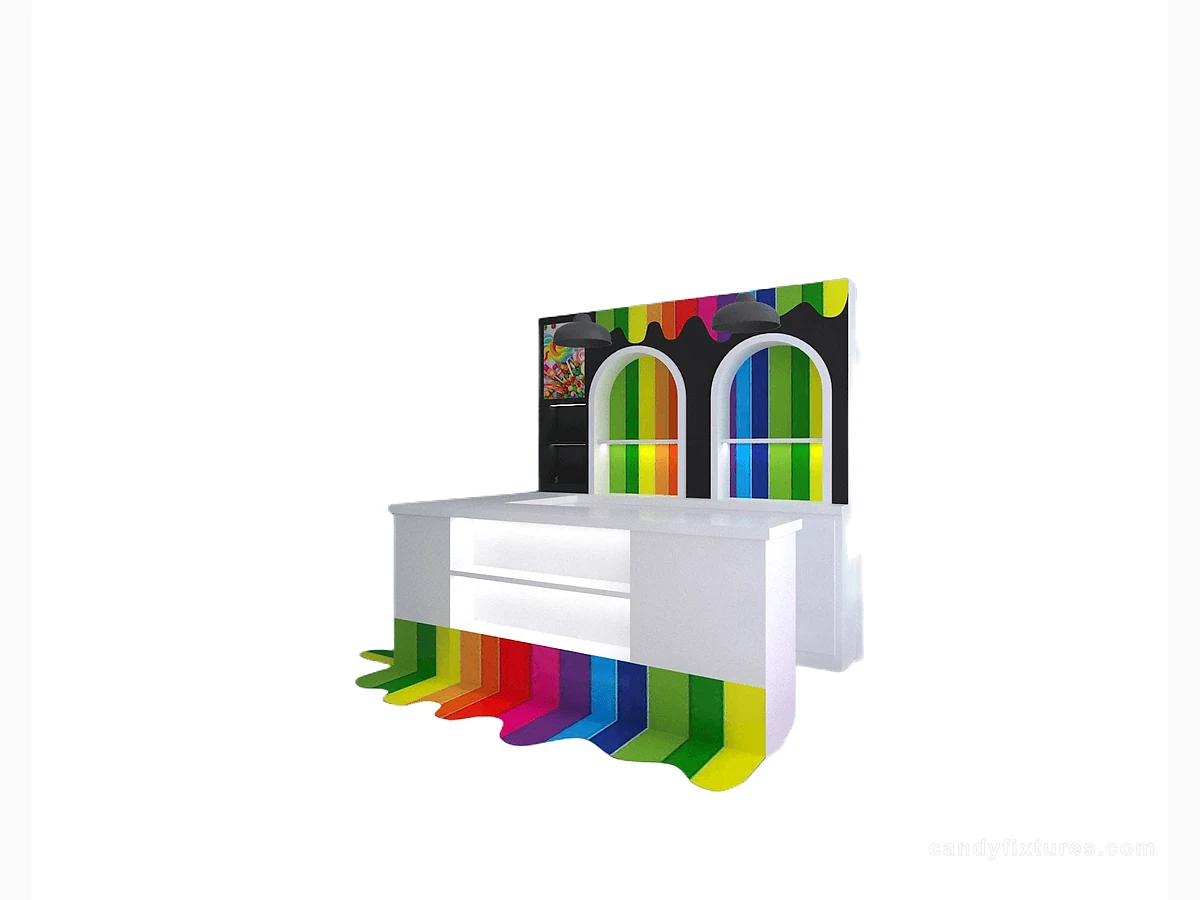
Ask the contractor what access, emptying, protection and attendance they need before confirming an appointment. Identify any replacement parts through the original unit reference and approved configuration. A white L-shaped counter may have several adjacent panels that look similar in a photograph. Confirm the actual part and finish instead of approving a replacement from an indistinct close-up. Retain the supplier's response with the original entry.
Agree the shop's preparation separately from the contractor's work. Staff may need to remove merchandise and documents from base storage, protect nearby stock and direct customers away from a work zone. Qualified people should determine disconnection, dismantling and reinstatement methods. Keep keys, removable fittings and original documents identified during the visit. A repair is harder to verify if a shelf support or operating instruction disappears while the contractor is working on another issue.
Record dependencies that affect the sequence. A finish repair may need to follow a hardware adjustment, and a replacement panel may require another inspection before merchandise returns. Do not close the first item merely because a later appointment has been booked. If the proposed remedy changes the agreed appearance, component or functionality, obtain the appropriate written decision before work proceeds. Keep variation approval and defect closeout linked but distinguishable in the project record.
Reinspect against the original entry
When work is reported complete, return to the same unit and observation. Compare the corrected condition with the agreed outcome and retain a new photograph where useful. Verify normal intended operation using the appropriate instructions and competent assessment. A message saying that the technician attended establishes attendance; it does not establish that the rubbing door now operates correctly or that the correct replacement shelf arrived.
Document the result as accepted, still open or awaiting further evidence. If the remedy resolves one observation but exposes another, describe the new condition and keep its history clear. Do not overwrite the initial photograph or delete the entry because the repair was unsuccessful. When several identical components were involved, state which ones were checked and what remains. Partial completion is a useful result when it is recorded accurately.
Include the operating team in the handover. They need to know whether the unit can return to its agreed use, what instructions changed and whom to contact if the same symptom returns. Do not leave a temporary arrangement in place without a review decision. Remove work materials and confirm that the surrounding area is ready before resuming service. Keep the technical acceptance with the person qualified to provide it, alongside the manager's operational acknowledgment.
Close the list without losing the evidence
Close an entry only when the agreed verification is recorded. Save the relevant correspondence, corrected drawings or instructions and the acceptance evidence with the project reference. Keep unresolved entries visible with owners and next actions. A mostly completed shop can still have outstanding work, but the record must show the actual status rather than imply complete acceptance because opening day has arrived or the contractor has submitted an invoice.
Treat payment, warranty rights and formal project acceptance according to the actual agreement and appropriate advice. This operating checklist does not determine when payment may be withheld or whether a particular defect is covered. Link an ongoing service or warranty case to the punch-list entry without rewriting the history. A later recurring fault may need a separate case, and the original reinspection record can help explain what was previously observed and corrected.
Use the experience to improve the next order. If missing components repeatedly delayed handover, request an identifiable packing and component schedule. If finish decisions relied on conflicting photographs, agree a reference earlier. If access for repairs disrupted the checkout, address that constraint in the next counter brief. The purpose is a usable display and a traceable closeout, supported by specific observations instead of a general promise that someone will return later.
Related products and planning pages
Yellow Shelf Cabinet with Clear PanelsWhite L-Shaped Checkout CounterLayered Candy Gift Display with Base Storage Yellow Framed Display with Oval OpeningCandy Fixture Warranty Claims: Build an Evidence Pack and Track the RemedyContinue with this complementary operating or planning guide.Candy Fixture Delivery: Check the Route before the Packing ListContinue with this complementary operating or planning guide.Candy Fixture Installation: Work from Package Labels to HandoverContinue with this complementary operating or planning guide.Candy Store FixturesCompare display, counter and storage arrangements.
Frequently asked questions
Is a punch list the same as a warranty claim?
No. It records outstanding handover work. A warranty case depends on the agreement and may need a separate linked process.
Can we close an entry when the contractor visits?
Record the visit, then verify the agreed outcome. Attendance alone does not prove that the issue is resolved.
Should new design requests go on the same list?
Keep them identifiable as proposed changes so they do not become confused with defects against the approved scope.
Does completing the list prove the shop is safe?
No. Relevant technical, accessibility and operating acceptance must come from the appropriate people and applicable requirements.
Sources and further reading
- US Department of Justice — 2010 ADA StandardsUS accessibility reference; project applicability and technical assessment require the appropriate reviewer.
- HSE — Manual handling at workUK manual-handling guidance; apply relevant local requirements and obtain a shop-specific assessment.
Use the linked material as background. The accepted product information, equipment instructions and requirements applicable to your location determine the final operating and installation decisions.