
Candy Fixture Warranty Claims: Build an Evidence Pack and Track the Remedy
Prepare a clear warranty claim for a candy-shop fixture using product identity, dated evidence and a specific service request, then verify the agreed remedy before closing.
Identify the fixture and the observed problem
A commercial furniture warranty claim should identify the exact fixture, describe the observed problem, connect it to the relevant purchase documents and request a clear response through the agreed service channel. For a candy shop, begin by making the affected area safe and preserving the evidence. Then check the actual written terms rather than assuming every cabinet has the same coverage, claim period or remedy. This guide describes an evidence workflow, not a promise that a supplier will accept a claim.
Keep warranty review separate from routine maintenance and initial delivery inspection. Damage noticed on arrival may require a different notification route from a hinge problem observed after ordinary use. A price dispute or a requested design change is another issue again. Record what happened before choosing a category. If the cause is uncertain, describe the symptom without declaring a manufacturing defect. An accurate account makes it easier for the supplier to identify the right next step.
If there is an immediate stability, sharp-edge, glass or electrical concern, restrict use and contact the appropriate qualified person. Do not ask staff to reproduce a dangerous failure for a video. Move merchandise only where it is safe to do so and keep customers away from the affected area. A service claim does not replace the shop's responsibility to manage an unsafe condition while the supplier reviews the evidence.
Retrieve the documents that define the supplied unit
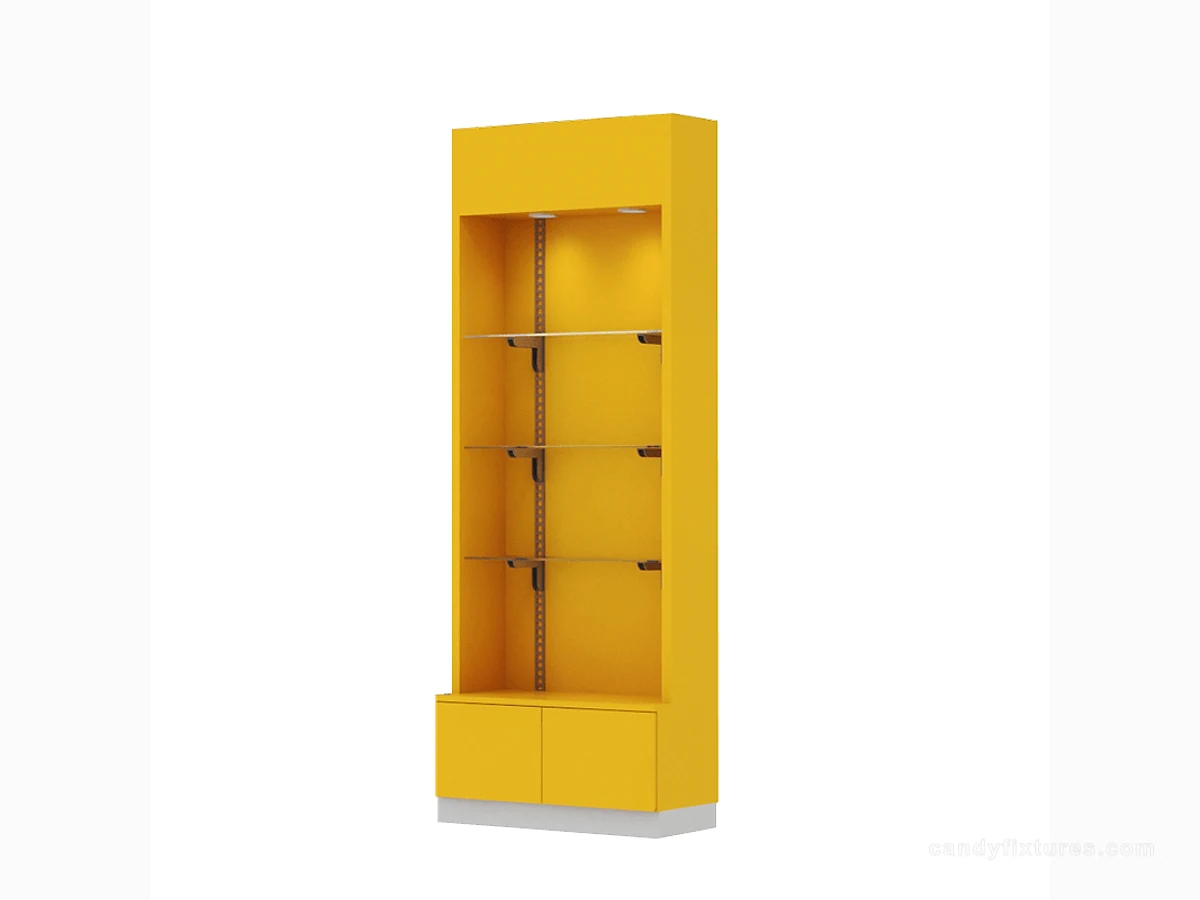
Locate the accepted quotation, purchase order, approved drawing, invoice, delivery record and the warranty or service terms that accompanied the order. Check the identity of the contracting supplier and the actual product configuration. A catalogue photograph may show an optional drawer, light or shelf arrangement that was not part of the purchased unit. Tie the claim to the agreed supply instead of relying on a marketing image that another person saved months earlier.
Record the shop's own asset reference and any genuine supplier label or serial information. Do not invent a serial number where none exists. A labelled photograph of the entire unit and its location can distinguish two similar counters in the same store. Use orientation descriptions such as 'customer-facing left door' consistently, and confirm which side is meant on the approved drawing. Avoid rotating photographs without preserving the original, because that can reverse the apparent location.
Read the actual notification instructions and requested supporting evidence. Terms may distinguish the furniture structure, moving components, finishes and separately supplied equipment. Coverage and commercial rights depend on the agreement and applicable law, so obtain appropriate advice for a disputed interpretation. Do not assume a consumer warranty guide governs a business purchase. This workflow helps organize facts even when coverage has not yet been established or the supplier needs more information.

Describe the symptom without changing the evidence
Write a short factual account: what staff observed, when it was first noticed, where on the unit it appears and whether the condition changed. Distinguish the date of first observation from an estimated date when the problem may have begun. If the counter was recently moved, cleaned, adjusted or struck, include that relevant history without guessing its causal significance. Missing inconvenient facts can make an otherwise clear evidence pack less useful.
Take an overall photograph that shows the fixture and a closer photograph showing the affected detail. Preserve the original files and create annotated copies if arrows or captions are needed. Keep the surrounding context visible enough to locate the detail. A close view of a loose component alone may be impossible to match to the correct door or shelf. Avoid filters, cosmetic retouching and edits that conceal damage or suggest a different condition.
Use measurements only when they can be taken safely and meaningfully. State the units, reference points and method so the supplier can interpret the result. Do not describe a normal visual gap as out of tolerance unless an agreed specification establishes the tolerance. For an intermittent nonhazardous symptom, a short recording may help if the service team requests it. Keep people, customer records, payment information and unrelated private details out of the recording.
Assemble one concise service request
Open with the order reference, fixture identity and symptom. State the current operating restriction and attach an organized evidence list. Ask the supplier to confirm the next diagnostic step and whether a particular document or image is missing. A concise chronological summary is more effective than forwarding an unstructured chain of messages with different descriptions of the same cabinet. Keep the original correspondence available behind the summary.
Separate an observed fact from the outcome you request. You may ask whether an inspection, replacement component, repair proposal or another remedy is appropriate; the supplier's obligations and the final agreement still need to be established. Avoid announcing an unapproved repair cost as an accepted claim. If the shop has a deadline because an opening or service area is affected, explain that practical constraint without treating it as proof of coverage.
Use one accountable contact at the shop and retain the supplier's case reference. Agree how additional evidence will be supplied so multiple staff do not send contradictory updates. Where the supplier requests an inspection or return, confirm access arrangements, packaging instructions and responsibility for transport before moving the unit. Do not assume that permission to investigate includes permission to dismantle the fixture or dispose of the component that demonstrates the symptom.
| Evidence | Purpose | Common mistake |
|---|---|---|
| Order and approved drawing | Identify the supplied configuration | Using an unrelated catalogue photo |
| Whole-unit and detail photographs | Locate and show the observed symptom | Providing only an unlocatable close-up |
| Dated observation history | Explain sequence and relevant changes | Presenting an estimated cause as fact |
| Written service terms | Find the applicable notification route | Assuming every component has identical cover |
| Remedy and outcome record | Verify the agreed work addressed the symptom | Closing at acknowledgment or parcel delivery |
Protect service while a response is pending
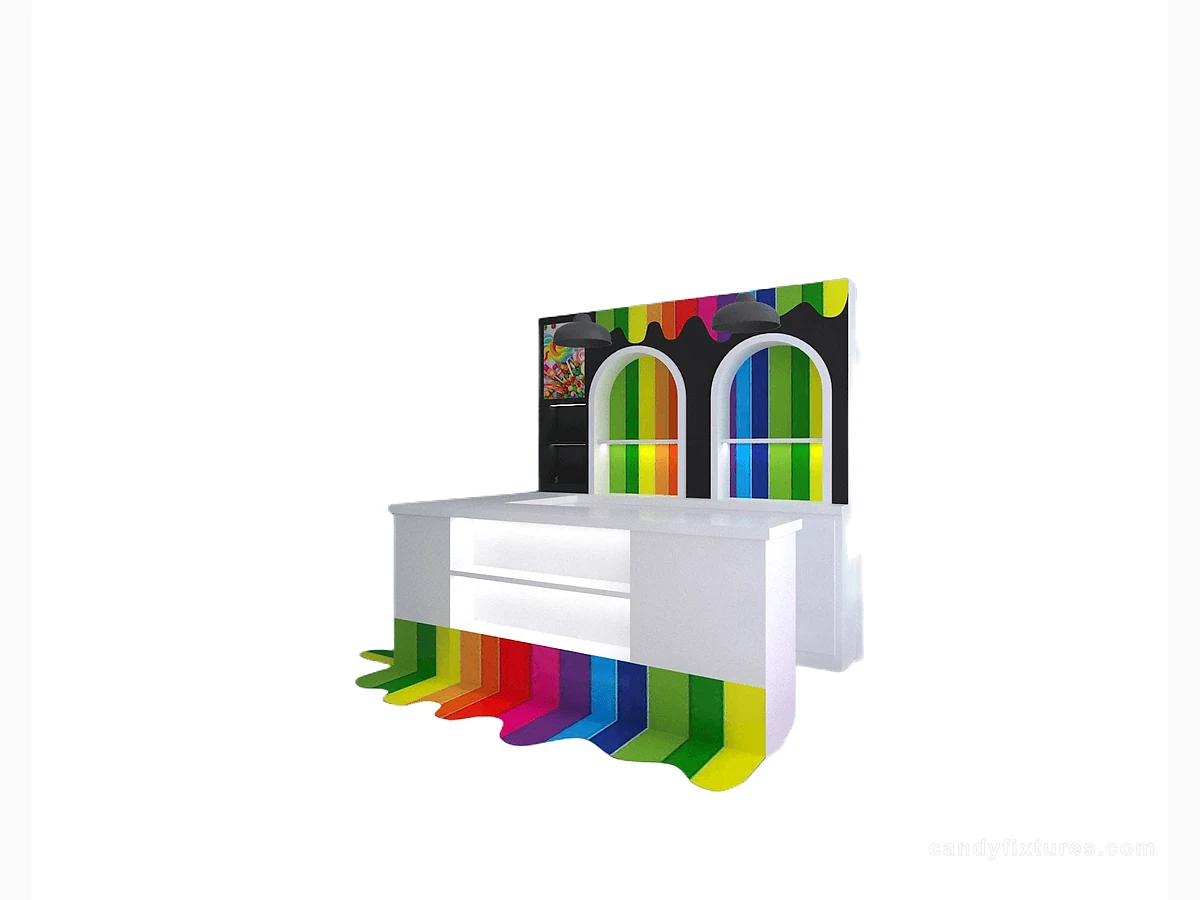
Create a temporary operating arrangement that respects the identified restriction. Move the affected products to an approved alternative display if that can be done safely. A storage-backed gift display may provide another location for packaged stock, while a counter may need a different service route. Confirm suitability in the real shop. Photographs of these fixture forms illustrate layout options; they do not certify that a damaged unit or temporary setup is safe.
Assign a review point and record what response is still required. Acknowledgment, diagnosis, remedy approval and completed repair are different states. Keep them separate in the shop handover so staff do not reopen a restricted cabinet merely because the supplier has answered an email. If the issue changes, preserve a new dated observation and update the service contact. Do not repeatedly send identical messages that make the sequence harder to follow.
Avoid unapproved modifications while the evidence is being assessed. Ask about any proposed adjustment, replacement part or local service visit before proceeding, except for necessary immediate protective action directed by an appropriate person. Record who authorized the work and what it covers. An ordinary maintenance instruction for a different model is not sufficient evidence that the same action is appropriate for this unit. Follow the actual product instructions and qualified advice for the supplied configuration.
Verify the agreed remedy against the original symptom
Before work begins, confirm the scope, parts, access requirements, responsible person and the evidence needed to close the case. Clarify any chargeable work separately from an accepted covered remedy. If a replacement component will be shipped, confirm its identity and how it will be installed. A parcel delivery is a logistical milestone; it does not establish that the original problem has been resolved or that normal service can resume.
After the agreed work, have the appropriate person inspect the affected function using the applicable instructions. Compare the result with the original symptom and the agreed acceptance points. For a door-alignment issue, this might include checking the intended opening and closing action without interference; do not invent load or cycle tests. For stability, glass or electrical concerns, use qualified assessment appropriate to the issue rather than an informal staff demonstration.
Retain before-and-after evidence and record any remaining limitation. If the symptom persists, explain the result using the same fixture reference and case number. Distinguish an unsuccessful repair from a new unrelated issue so the next response can be targeted. Do not close a case solely because a service visit took place. Close it when the agreed outcome has been checked and the responsible person has confirmed the operating status.
Close the record and improve the next fixture brief
Keep the final response, agreed work, inspection outcome and any revised instructions with the asset record. The US IRS explains the importance of supporting documents for business transactions and property records. It does not decide commercial warranty coverage. Consult the requirements relevant to your business when retaining invoices and service records, and limit access to the people who need the information. A shared shift note can reference the case without exposing the complete commercial file.
Use the experience to improve the next purchasing brief. If the issue involved an unclear component specification, ask for clearer identification and service instructions on future orders. If access for a repair was difficult, include maintenance access in the next layout review. CIPS supplier-evaluation guidance provides a broader procurement reference for comparing evidence and supplier performance. One claim should be documented in context rather than automatically treated as proof that every product from that supplier is unsuitable.
Create a short closeout checklist: exact unit identified, symptom documented, supplier response retained, remedy agreed, work recorded, outcome checked and operating status communicated. Leave unresolved points explicitly open with an owner and next action. Keep the original URL and internal asset reference stable when filing updates so staff can find the history later. The practical result is a traceable service decision and a usable fixture, with uncertainty recorded rather than hidden behind a closed email thread.
Related products and planning pages
Yellow Shelf Cabinet with Clear PanelsWhite L-Shaped Checkout CounterLayered Candy Gift Display with Base Storage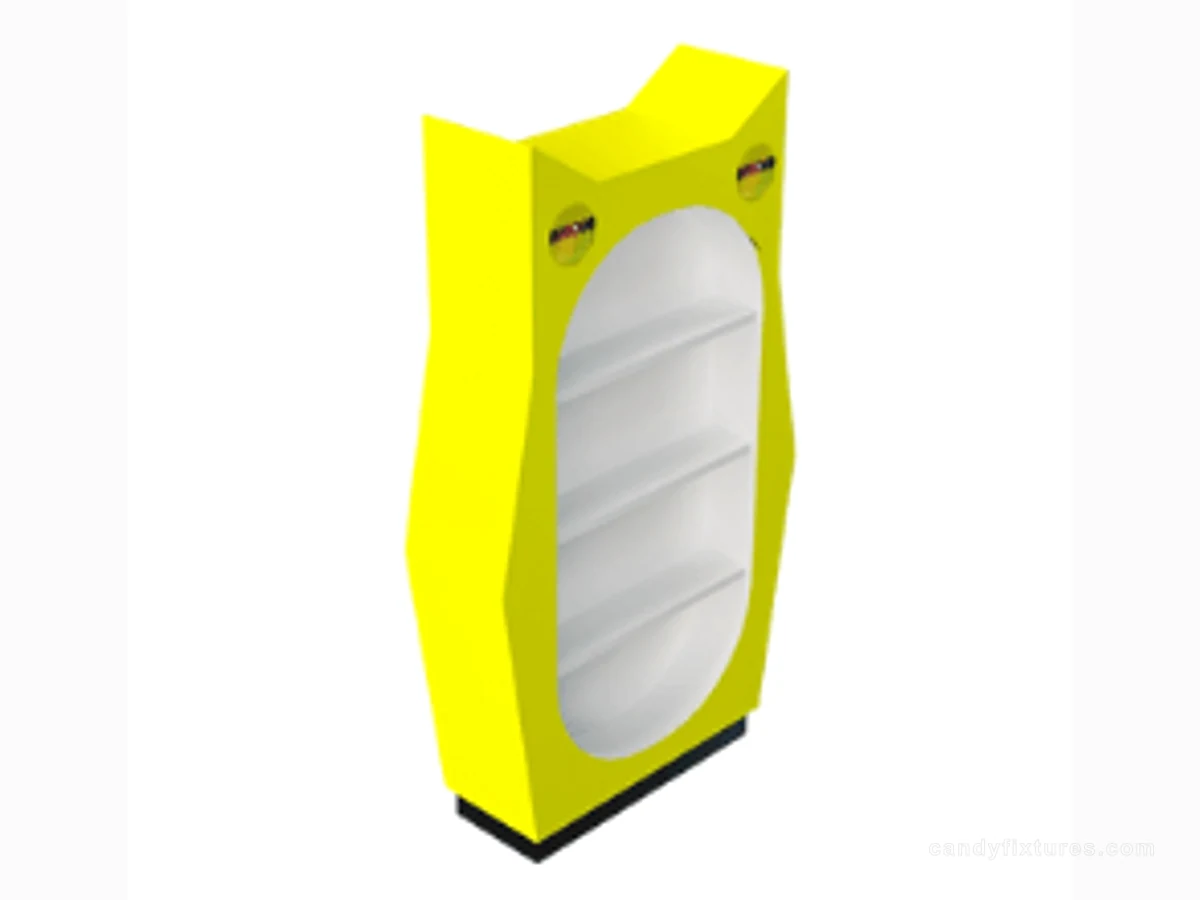 Yellow Framed Display with Oval OpeningRetail Supplier Evaluation for Candy Stores: Compare Evidence Before OrderingContinue with the complementary purchase or maintenance process.Candy Fixture Delivery: Check the Route before the Packing ListContinue with the complementary purchase or maintenance process.Candy Fixture Maintenance: Turn Observations into a Repair HandoverContinue with the complementary purchase or maintenance process.Candy Store FixturesCompare display, counter and storage arrangements.
Frequently asked questions
Does a photograph prove a warranty claim is covered?
No. Photographs document a condition. Coverage depends on the actual supplied configuration, terms, circumstances and applicable law.
What if the fixture has no serial number?
Use the genuine order reference, approved drawing, shop asset reference and clear whole-unit photographs. Do not invent supplier identification.
Should staff repair the fixture before contacting the supplier?
Manage immediate hazards appropriately, then obtain guidance before modifications. Preserve evidence and record any authorized work.
When is the service case complete?
After the agreed remedy has been carried out, the relevant outcome has been checked and the responsible person has communicated the operating status. Acknowledgment alone is insufficient.
Sources and further reading
- CIPS — Supplier evaluationProfessional procurement context for supplier performance review; this does not decide warranty coverage.
- IRS — RecordkeepingUS official supporting-record guidance; confirm retention requirements for the business and its location.
Use the linked material as background. The accepted product information, equipment instructions and requirements applicable to your location determine the final operating and installation decisions.