
Retail Supplier Evaluation for Candy Stores: Compare Evidence Before Ordering
Compare candy-shop suppliers using product fit, documented terms, delivery evidence and a controlled trial order, with separate criteria for sweets and display fixtures.
Define the purchase before scoring a supplier
Retail supplier evaluation is a structured comparison of a supplier's ability to meet a defined purchase requirement. For a candy store, start with the actual assortment or fixture brief, identify essential conditions, request comparable evidence and test the shortlisted offer before committing to a larger order. A low quoted price is useful only when the proposed product, delivery scope and service conditions match what the shop needs. Keep unverified claims visible rather than turning them into confident scores.
Separate confectionery suppliers from fixture suppliers. A wholesaler's product traceability and remaining shelf-life terms answer different questions from a cabinet maker's approved drawings and installation scope. Both need clear commercial terms, but one combined score can hide a serious gap. This guide covers selection before ordering, rather than the purchase-order approval process or the receiving checklist. Use those separate controls after a candidate has demonstrated that it can meet the intended requirement.
Create a short brief for one purchase category. Identify who approves the product, who checks the evidence and who owns the final decision. Include the destination, intended use, quantities and required delivery window. Describe which dates are genuine constraints and which are preferences. If a shop opening depends on installed furniture, compare the complete route to usable fixtures rather than treating a factory dispatch estimate as the date the shop can start trading.
Establish essential conditions and useful preferences
List the conditions a supplier must satisfy before weighted comparisons begin. These might include supplying the exact requested product identity, providing applicable documentation, accepting the required delivery destination and clarifying responsibility for disputed goods. The final conditions depend on the product, location and purchasing arrangement. Obtain qualified advice where food, import or building requirements need interpretation. An attractive presentation or a successful sales call does not establish compliance with requirements that have not been checked.
Keep preferences separate. A preferred pack quantity, finish option or ordering portal can make a relationship easier, but it should not compensate for missing essential evidence. Write each criterion as an observable question. Instead of rating 'good service', ask whether the supplier answered the same list of clarification questions, identified an accountable contact and supplied the requested information by the agreed review point. Preserve the response so another reviewer can understand the assessment.
For sweets, describe the exact brand, variant, pack size and intended sale method. Ask how product information, substitutions, date conditions and supply interruptions are communicated. For furniture, describe merchandise dimensions, service tasks and site constraints; request drawings and material details for the actual quoted configuration. Product images support a discussion of appearance and access. They do not establish load capacity, direct food-contact suitability, electrical compliance or the performance of an unseen supplied component.


Request comparable evidence from every candidate
Send each candidate the same core request and record any difference in scope. Ask for a dated quotation identifying the product, quantity basis, currency, taxes or charges included, delivery terms and quotation validity. Distinguish a price per unit from a price per case and check the number of units in each case. A price comparison becomes misleading when one supplier includes local delivery and another includes only collection at its own premises.
Ask how exceptions will be handled before they occur. Clarify the process for shortages, damaged goods, incorrect variants, late delivery and an agreed change to the order. Record the evidence needed to submit a claim and the person or channel responsible for responding. Do not assume that a pleasant informal promise changes the written agreement. Resolve conflicts between a quotation, standard conditions and an email before approving the purchase, with appropriate commercial advice when needed.
Request evidence proportionate to the claim. A sample can establish what was supplied as that sample; it cannot prove every future batch will match. A reference may explain how a previous project was handled, but its circumstances can differ from your own. Distinguish an independently checked record from the supplier's own statement. If a document refers to another model, material, legal entity or factory, ask why it applies to the exact goods being offered.
Build a scorecard that exposes uncertainty
Use a small number of criteria with plain definitions and an evidence column. Mark essential conditions as met, unmet or awaiting evidence before scoring preferences. Do not replace an unanswered question with a neutral middle score: that hides uncertainty. Give the buyer a separate view of what still needs confirmation. The purpose is to organize a decision, not create a mathematically impressive total that overrides a known problem.
For optional criteria, choose a consistent scale and describe what each level means. For example, a delivery-evidence scale could distinguish no confirmed plan, a proposed plan with unresolved dependencies and a documented plan that addresses the agreed destination and handover. These are internal assessment labels, not a certification scheme. Agree any weights before looking at supplier totals so the scoring system is not adjusted afterward to favor a preferred candidate.
Review the result alongside the actual evidence. If two suppliers receive similar totals but one has an unresolved essential condition, they are not equally ready for ordering. Record the practical consequence of each weakness and whether a trial can resolve it. A candidate may be acceptable for an ordinary replenishment order yet unsuitable for opening stock that has no recovery window. Selection should reflect the consequence of failure for the particular purchase, not an assumed permanent ranking.
| Purchase question | Useful evidence | Hold point |
|---|---|---|
| Exact goods | Named variant or approved fixture drawing | Resolve substitutions before ordering |
| Delivered scope | Written charges, destination and responsibilities | Compare equivalent quotation scope |
| Product or material requirements | Documentation for the offered goods | Refer unclear applicability for qualified review |
| Delivery readiness | Plan addressing the required handover | Separate dispatch from usable installation |
| Exception response | Written claim route and evidence requirements | Resolve conflicting terms |
| Trial result | Recorded receipt or sample checks | Close essential discrepancies before scaling |
Test the shortlisted offer with a controlled order
Define what the trial must establish and limit its scope to what the business can assess responsibly. For packaged sweets, the trial might check exact product identity, accompanying information, agreed date conditions, quantity accuracy and how an ordinary delivery exception is resolved. Do not create a false complaint to test service. Use normal communication and document what actually happens. Product safety assessment follows the applicable approved process, independently of any commercial score.
For custom fixtures, a meaningful trial may involve approved drawings, a finish sample or a representative unit, depending on the project and agreement. Confirm exactly which details the sample represents and which remain subject to final production approval. An L-shaped counter, storage-backed shelf and glass-shelf rack serve different workflows. Compare the intended package sizes and access tasks on the proposed arrangement rather than assuming that a good-looking sample proves the complete shop installation will work.
Write acceptance criteria before the trial arrives. Identify who inspects it, what records are retained and how discrepancies are resolved. Preserve photographs of the actual received condition and references to agreed specifications. If a candidate corrects a problem, evaluate both the initial failure and the documented recovery. Do not erase the first result from the scorecard. A useful trial reveals the supplier's delivered offer and the buyer's own weaknesses in communicating requirements.
Compare the complete purchasing consequence
Compare total scope rather than quoted unit price alone. Include only costs that are relevant and supported, such as confirmed delivery charges, agreed installation work or known packaging needs. Flag uncertain charges instead of assigning invented estimates. Ask the business's accountant or purchasing adviser how to handle taxes, currency and accounting treatment. A supplier evaluation worksheet is a decision aid; it is not a substitute for a complete financial or contractual assessment.
Consider the effect on shop operations. A larger minimum order may require reserve storage and tie up funds; a smaller frequent order may increase receiving work. For furniture, missing information about access, assembly or installation can create a problem even when the cabinet itself matches the drawing. Confirm who measures the site and approves the fit. Avoid treating storage volume visible in a photograph as a verified usable capacity for the merchandise or equipment you intend to store.
Record the choice with conditions and an alternative route. State what has been checked, what must be confirmed before release and what would trigger a different supplier decision. CIPS describes desk appraisal, field research and third-party appraisals as methods for evaluating suppliers. Choose evidence suited to the actual purchase instead of treating a completed questionnaire as proof of performance. Keep supplier-specific records as the basis for the decision and explain the limits of every sample or reference used.
Approve, retain and revisit the decision
Keep the final brief, quotation, clarifications, evidence checklist, sample findings and approval together. The US IRS explains the role of supporting documents in business recordkeeping. Consult the requirements applicable to your business when deciding how to retain purchasing and financial records. Limit access to commercial details appropriately, and do not publish private supplier or staff information in a general shop handover document. An accessible reference number is often enough for routine operational use.
Set review triggers that fit the purchase: repeated delivery discrepancies, an unapproved substitution, changed manufacturing details or a change in the goods the shop wants to sell. A successful trial is a starting point for monitoring, not a promise of permanent performance. Keep routine performance observations separate from assumptions about the cause. If a shipment arrives late, establish the agreed date and actual circumstances before attributing responsibility to a specific party.
Before a larger order, check that the selected offer still matches the approved scope and that unresolved conditions have been closed. Transfer the exact product and commercial terms into the authorized ordering process. Keep the scorecard's version and decision date so a later buyer can understand why the candidate was selected. The practical outcome is a purchase supported by relevant evidence, a clear approval and an agreed response when delivery differs from the plan.
Related products and planning pages
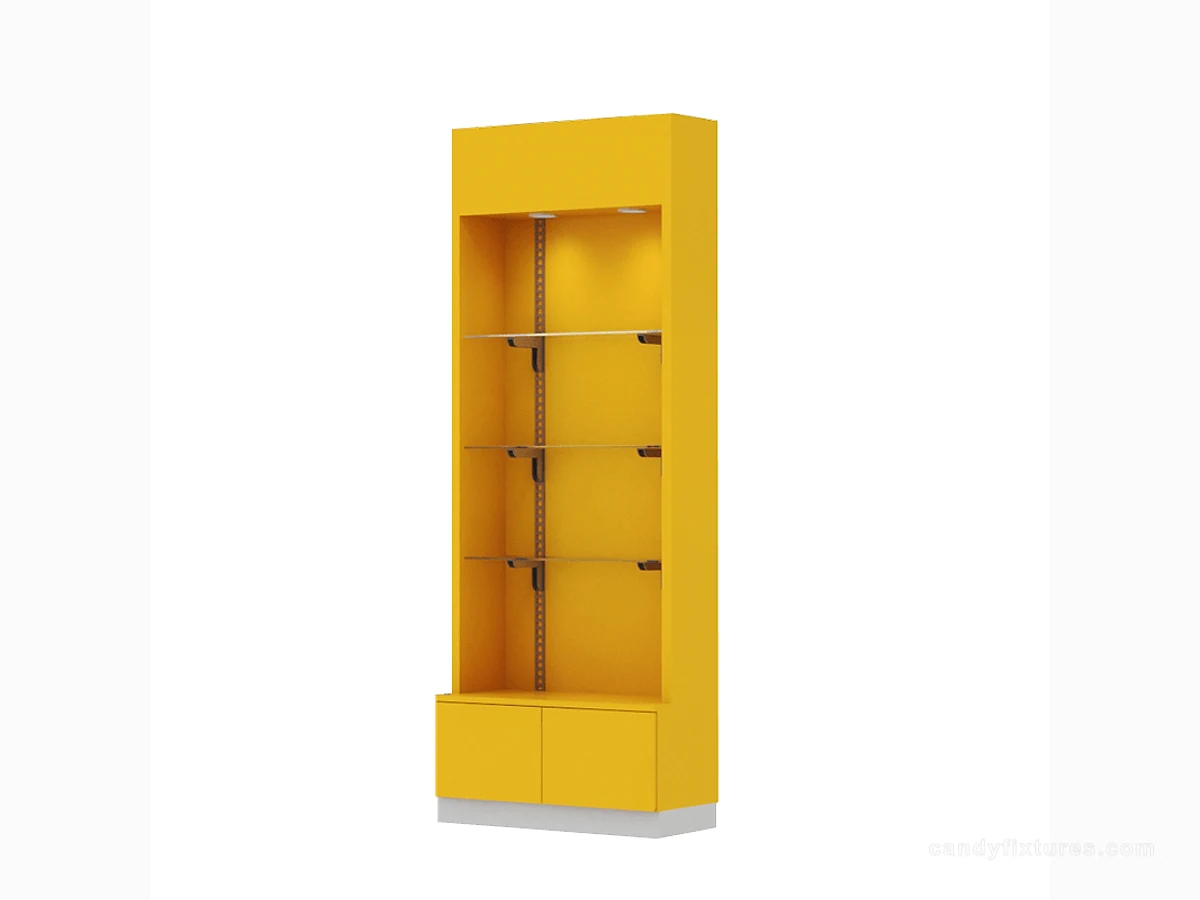
Yellow Shelf Cabinet with Clear PanelsWhite L-Shaped Checkout CounterLayered Candy Gift Display with Base Storage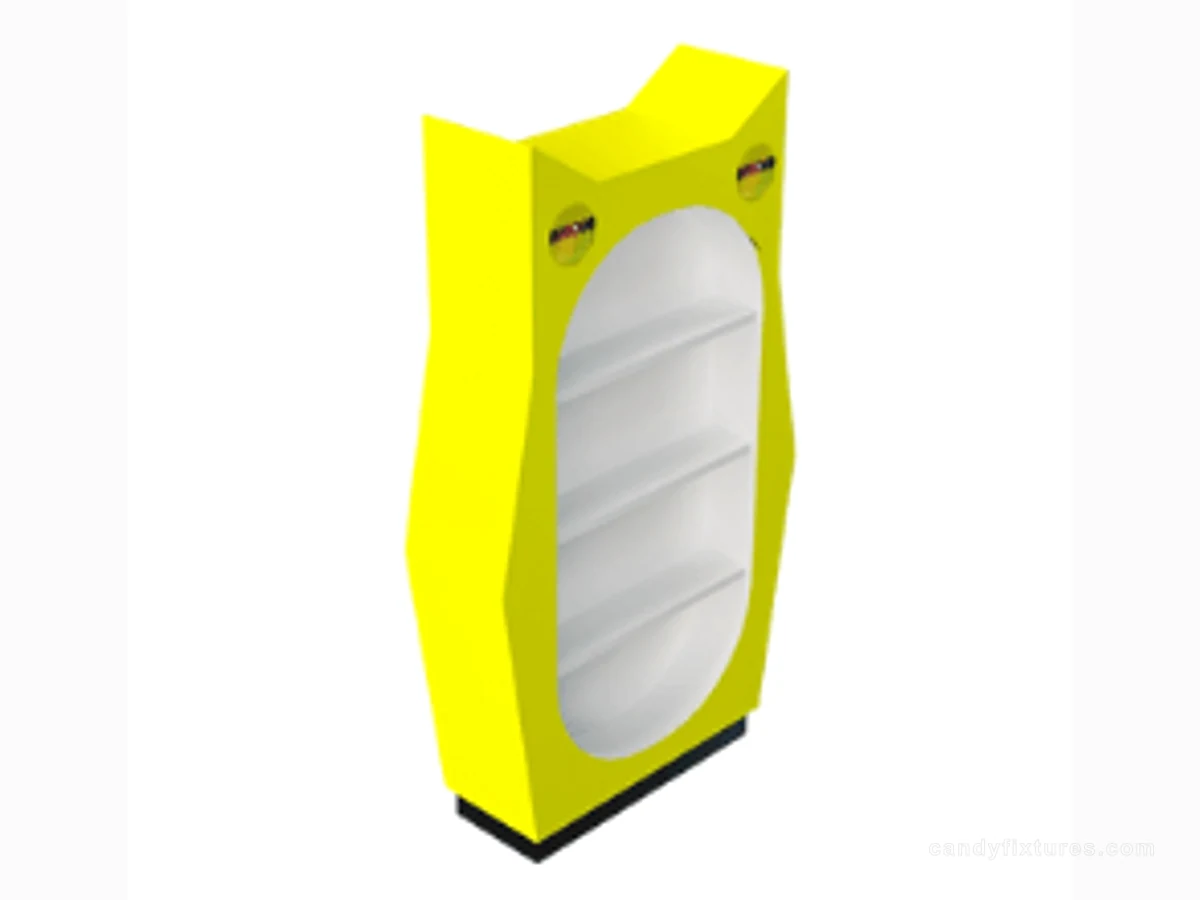 Yellow Framed Display with Oval OpeningCandy Fixture Purchase Orders: Link the Order to the Approved DrawingContinue with this complementary shop-planning guide.Custom Candy Store Fixtures: Turn the Reference into an Orderable BriefContinue with this complementary shop-planning guide.Candy Fixture Delivery: Check the Route before the Packing ListContinue with this complementary shop-planning guide.Candy Store FixturesCompare display, counter and storage arrangements.
Frequently asked questions
Should the cheapest supplier always receive the highest score?
No. Compare equivalent scope, essential evidence and operational consequences before scoring optional preferences. A low price does not close an unresolved essential condition.
Can one scorecard cover candy and display cabinets?
Use shared commercial questions, but separate the product-specific criteria. Food information and traceability differ from drawings, material details and installation responsibilities.
Does a sample prove every future order will match?
No. Record what the sample establishes, agree the production specification and continue checking actual deliveries against the approved order.
When should the supplier assessment be revisited?
Review it when performance, terms, manufacturing details or your own purchase requirements change. Preserve the original decision and record the reason for reassessment.
Sources and further reading
- CIPS — Supplier evaluationProfessional procurement guidance on evaluation methods; apply the evidence to the specific sweets or fixture purchase.
- IRS — RecordkeepingUS official supporting-record guidance; confirm retention requirements for the business and its location.
Use the linked material as background. The accepted product information, equipment instructions and requirements applicable to your location determine the final operating and installation decisions.