
Candy Product Recall Procedure: Stop Sales, Trace Stock and Verify Closeout
Build a candy-shop recall workflow around verified product identity, stopped sales, controlled stock, clear staff instructions and documented follow-up.
Start with the notice and a named response owner
A retail product recall procedure should help a candy shop stop affected sales, locate the relevant stock and follow the current instructions from the recalling business and responsible authority. Appoint a response owner and a deputy before an incident occurs. When a notice arrives, save its source, issue date, product details and contact route. Work from the complete current notice rather than a cropped social post or a forwarded message without its original attachment.
For US context, FDA explains that recall notices include product and packaging information to help identify affected foods. FDA's industry guidance provides further recall resources for FDA-regulated products. These references do not replace the instructions for an actual incident or the requirements in another country. A candy shop should use the responsible authority and supplier for its market and escalate uncertainty promptly. Do not decide that a product is unaffected merely because its packaging looks slightly different from a photograph.
Give the response owner a practical coordination role: confirm the notice, arrange an immediate hold where appropriate, assign searches and keep a single action record. Staff should know how to reach that person outside the usual office routine. This guide describes shop organization, not a substitute for food-safety advice or required reporting. Follow incident-specific instructions and obtain qualified help where product identity, contamination, handling or communication is uncertain.
Match the exact product and define uncertainty
Compare the identifiers provided in the notice with the packaging and stock records: brand, product name, pack size, date information, lot or batch information and any other distinguishing codes. Preserve the actual wording and code format. Do not shorten a code until two different batches look identical. Save clear photographs of the relevant labels so that a second person can check the match without repeatedly moving held merchandise around the shop.
Use a matching worksheet with three outcomes: affected, confirmed outside the stated scope, or unresolved. The last group matters when outer cartons have been discarded or records are incomplete. Keep uncertain stock under an appropriate hold while seeking instructions rather than treating missing evidence as permission to sell. Record who resolved the question and the information used. If the notice is revised, repeat the comparison against the revised scope and preserve the earlier version in the incident record.
Consider the different selling formats in the shop. Wrapped individual packs, gift bundles and bulk containers may carry product identity in different places. A generic shelf label cannot replace the source package record. If a gift set contains a potentially affected component, identify the complete set and ask for the appropriate instructions. Do not remove the suspect piece and assume the remaining product can be sold. The action depends on the actual product and incident.
| Record | Where to check | If information is missing |
|---|---|---|
| Product and brand | Current notice and original package | Keep the match unresolved and ask for guidance |
| Pack and variant | Pack label and receiving record | Do not rely only on colour or shelf name |
| Batch and date identifiers | Source carton or individual pack as applicable | Record the gap; do not invent a code |
| Locations and quantity | Display, reserve stock and prepared orders | Assign a search and preserve quantity limits |
| Instructions and updates | Current verified notice and responsible contact | Keep version history and escalate uncertainty |


Stop every affected selling route
Remove affected merchandise from customer access and apply the appropriate sales controls without waiting for a perfect final count. Check the main shelves, checkout displays, window arrangements, seasonal islands, reserve cabinets, staff-picked orders and any off-site selling activity. Online availability and prepacked collection orders need attention as well as the visible shop floor. Assign each location to someone and record completion so that a second shift does not assume another person already searched it.
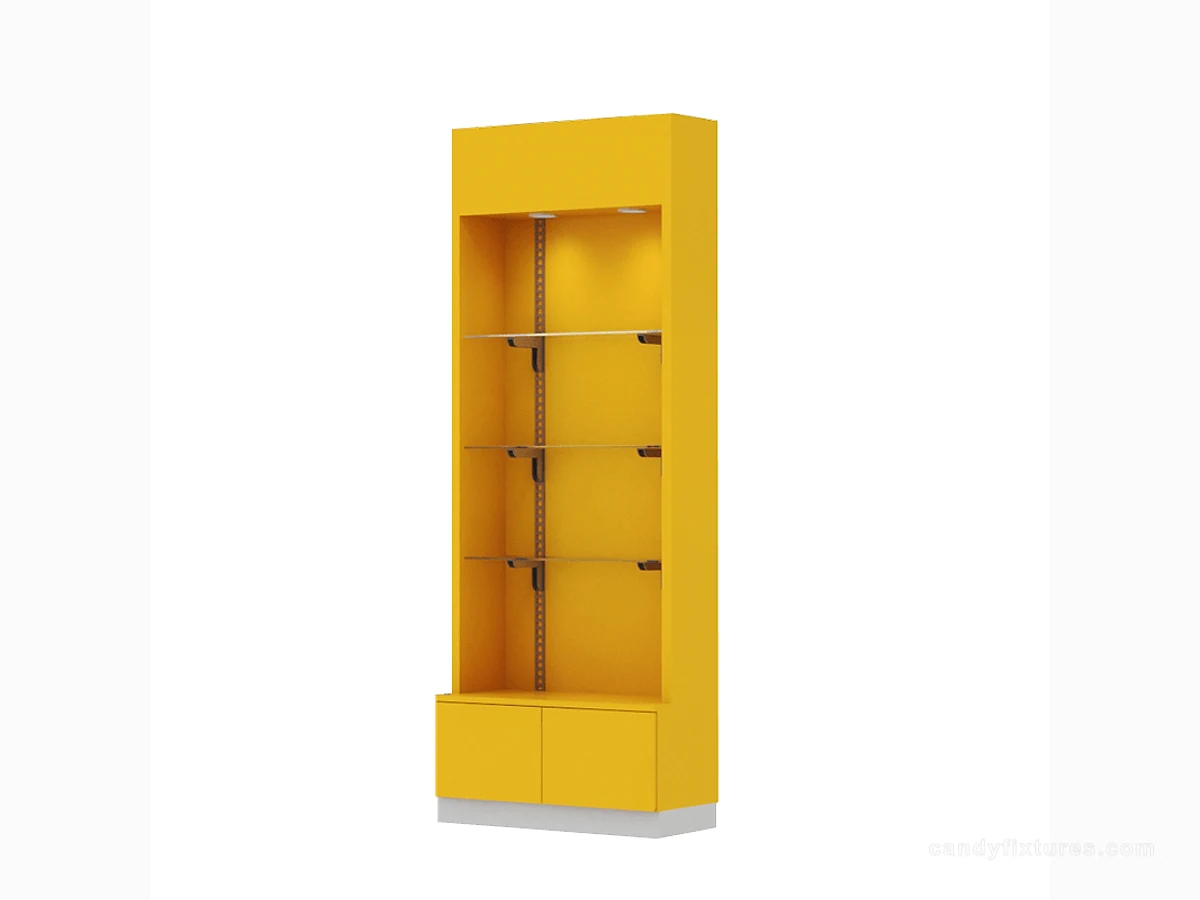
Prevent accidental reintroduction. Mark the hold clearly, restrict access appropriately and separate it from saleable stock. Use the actual location and control arrangements available in the business; an ordinary cupboard does not automatically provide secure segregation. A display cabinet photograph illustrates a place staff must search, not a certified recall-storage system. Do not leave recalled packs behind a counter where they could be confused with a paid customer order or an item awaiting a price check.
Check the checkout and ordering process according to the shop's system. A product-code block can be useful, but similar variants and manual overrides may require additional staff instructions. Verify that the intended control actually works without selling or opening an affected item. Communicate the hold to everyone who can accept an order, including temporary staff. Record any limitation that remains and use an appropriate alternative control while the issue is addressed.
Reconcile stock without inventing missing quantities
Build a quantity record from receiving documents, current counts, transfers and sales information that the shop genuinely holds. Keep units consistent: cases, retail packs and individual pieces are not interchangeable. Record a conversion only when it is supported by the actual packaging. If a carton is partly used, describe what can be verified and what remains uncertain. An estimate should remain visibly identified as an estimate, with its basis and limitation.
Track the location and status of held stock separately from ordinary waste or customer returns. Link each group to the notice and product identifiers. A reserve cabinet can contain unopened stock that never reached the display; it still needs to be checked. Search gift-wrapping supplies and prepared bundles where relevant, while avoiding unrelated drawers just to make the checklist longer. The search scope should follow the product's actual route through the shop.
Use a reconciliation note to explain differences rather than forcing the numbers to balance. For example, purchase records may show a case delivered but the selling system may not record batch-level sales. Record that limitation and ask the supplier or responsible authority what further action is required. Do not claim that every affected customer has been identified when only total sales are known. Keep the information needed for follow-up and protect customer details from unnecessary access.
Give staff and customers consistent instructions
Prepare a short staff brief based on the approved incident information. It should identify the relevant products, explain the current sales hold, state where held stock belongs and name the person handling questions. Include what staff should do if a customer brings a product back or reports a possible health concern. Use the official contact and advice route appropriate to the incident; staff should not diagnose symptoms or improvise reassurance about a product's safety.
Use the customer communication required or agreed for the recall. Preserve the official product identifiers and action instructions, and make any shop-specific information clear. Avoid promotional language, substitute-product offers or unsupported statements about the cause. If the notice changes, replace outdated information and tell staff what changed. The response owner should keep a record of the communication version and where it was used so that obsolete instructions do not remain at another selling point.
Handle identifiable customer contact through the business's appropriate privacy and communication process. Use only the information needed and authorized for the response. A loyalty list is not proof of who purchased an affected batch, and an anonymous cash sale may not be traceable to a person. Explain those limits accurately when reporting progress. Keep complaints, returned quantities and requests for further advice connected to the incident record without placing personal details on a public hold label.
Follow authorized handling and disposition instructions
Keep affected and unresolved stock controlled until the responsible parties provide appropriate instructions. Do not discount it, donate it, repackage it or use it for sampling as a way to clear the hold area. Follow the specific directions for return, collection, destruction or other disposition, including documentation and any handling precautions. If the instructions conflict with the shop's facilities or local requirements, escalate the problem instead of improvising a method to meet a collection deadline.
Consider surfaces, containers and utensils that may have been involved. Whether cleaning, disposal or another action is needed depends on the product and reason for the recall. Obtain the relevant food-safety instructions, use the suitable procedures and record completion. A normal end-of-day wipe is not evidence that incident-related work has been completed. Do not transfer potentially affected loose product into a clean display while the original container is being investigated or cleaned.
At dispatch or disposal, match the product identifiers and quantities to the incident record. Keep the appropriate acknowledgment and note any shortage, rejected collection or remaining stock. A credit note concerns the commercial settlement; it does not by itself prove that all product has been controlled or that the incident is closed. Maintain the sales block and staff instructions for as long as required, and record who authorized any change to those controls.
Verify shop actions and rehearse the next response
Review the shop's completed actions against the latest notice and instructions. Confirm that selling points were checked, held stock was accounted for, required communications were handled and unresolved questions have named owners. Separate the completion of local tasks from formal closure of a recall by the responsible parties. Do not announce that the recall has ended merely because the shop no longer holds stock or has received a supplier acknowledgment.
Keep the final record understandable to someone who was not present: source notice, scope decisions, location checks, quantity limitations, communications, handling instructions and evidence of the actual outcome. Follow the recordkeeping and reporting requirements applicable to the business. Where any action remains incomplete, state it explicitly with the next step. A small unresolved quantity or an unreachable supplier contact should remain visible in the record rather than disappearing inside a general completed status.
After the immediate response, run a modest practice exercise using a clearly fictional internal scenario. Test whether staff can find source packaging records, search base storage and stop a prepared order without confusing it with saleable stock. Do not send a practice recall message to customers. Use the results to improve product-location records and shift communication. The objective is a procedure staff can carry out under pressure, with honest evidence of what was checked and a reliable route for uncertainty.
Related products and planning pages
Yellow Shelf Cabinet with Clear PanelsWhite L-Shaped Checkout CounterLayered Candy Gift Display with Base Storage Yellow Framed Display with Oval OpeningCandy Store Returns Policy: Separate the Customer Decision from Product DispositionContinue with this complementary planning or operating guide.Candy Stock Rotation: Keep Product Identity through Refill and CleaningContinue with this complementary planning or operating guide.Candy Store Employee Training: Practise the Work at the Actual FixtureContinue with this complementary planning or operating guide.Candy Store FixturesCompare display, counter and storage arrangements.
Frequently asked questions
Is a similar product photograph enough to identify recalled candy?
No. Compare all identifiers in the actual notice with packaging and records. Keep uncertain matches controlled while seeking instructions.
Should staff finish the stock count before stopping sales?
Do not delay the appropriate sales hold while perfecting the count. Control affected access and selling routes, then reconcile the quantities and record limitations.
Can recalled stock be discounted or donated?
Do not use discounting, donation or sampling to clear recalled stock. Follow the current authorized handling and disposition instructions.
When can the shop mark its response complete?
After the required local actions have been verified and unresolved matters have an explicit status. Local task completion does not by itself mean the responsible parties have formally closed the recall.
Sources and further reading
- FDA — Food recalls: what you need to knowUS consumer background on product-specific recall identification and following the actual notice; shop actions must follow the responsible authority and incident instructions.
- FDA — Industry guidance for recallsOfficial US resources for FDA-regulated products; confirm the requirements and responsible authority for the shop market and product.
Use the linked material as background. The accepted product information, equipment instructions and requirements applicable to your location determine the final operating and installation decisions.