
Candy Store Employee Training: Practise the Work at the Actual Fixture
Training should show that a person can perform the shop task and recognise when to ask for help. Reading a guide is only the starting point.
Start with the decision
Choose a small set of observable tasks: identify stock, refill a display, answer a product-information question, process an approved transaction and report a fixture problem. Use the shop's actual procedures and equipment.
Work through the details
Let the trainee perform each task while the trainer observes. Include an exception such as a missing label or damaged pack; staff need to know when work stops as well as how normal work continues.
A planning example
During practice, a trainee finds a loose shelf fitting while refilling. The useful outcome is correct reporting and the action required by the shop procedure, not an improvised repair. Record the observation and give further practice if the person can perform the normal refill but misses the exception.
Check it in the shop
Record the task, date, trainer and any follow-up practice. Review the layout when several people make the same mistake: unclear product positions or inaccessible storage may be a design issue rather than a training gap.
Related products and planning pages
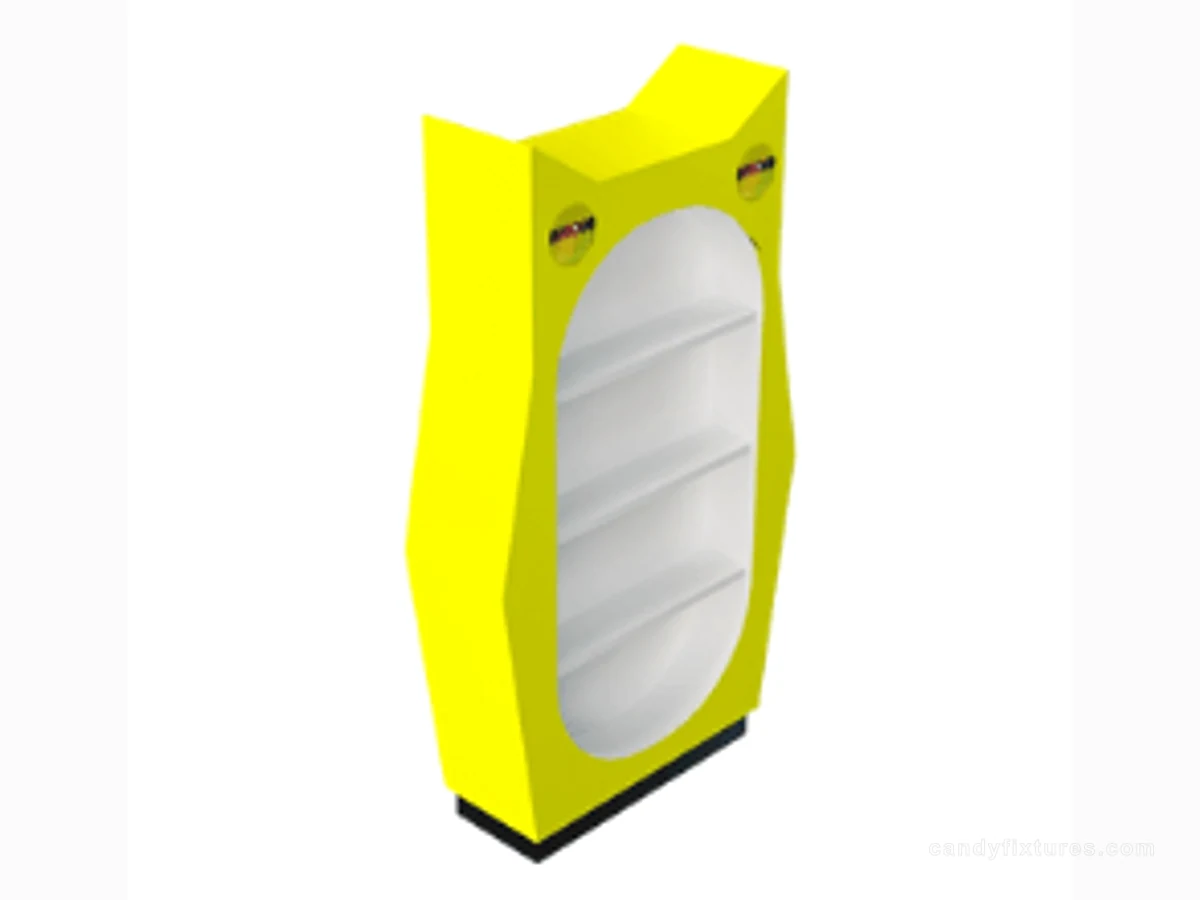
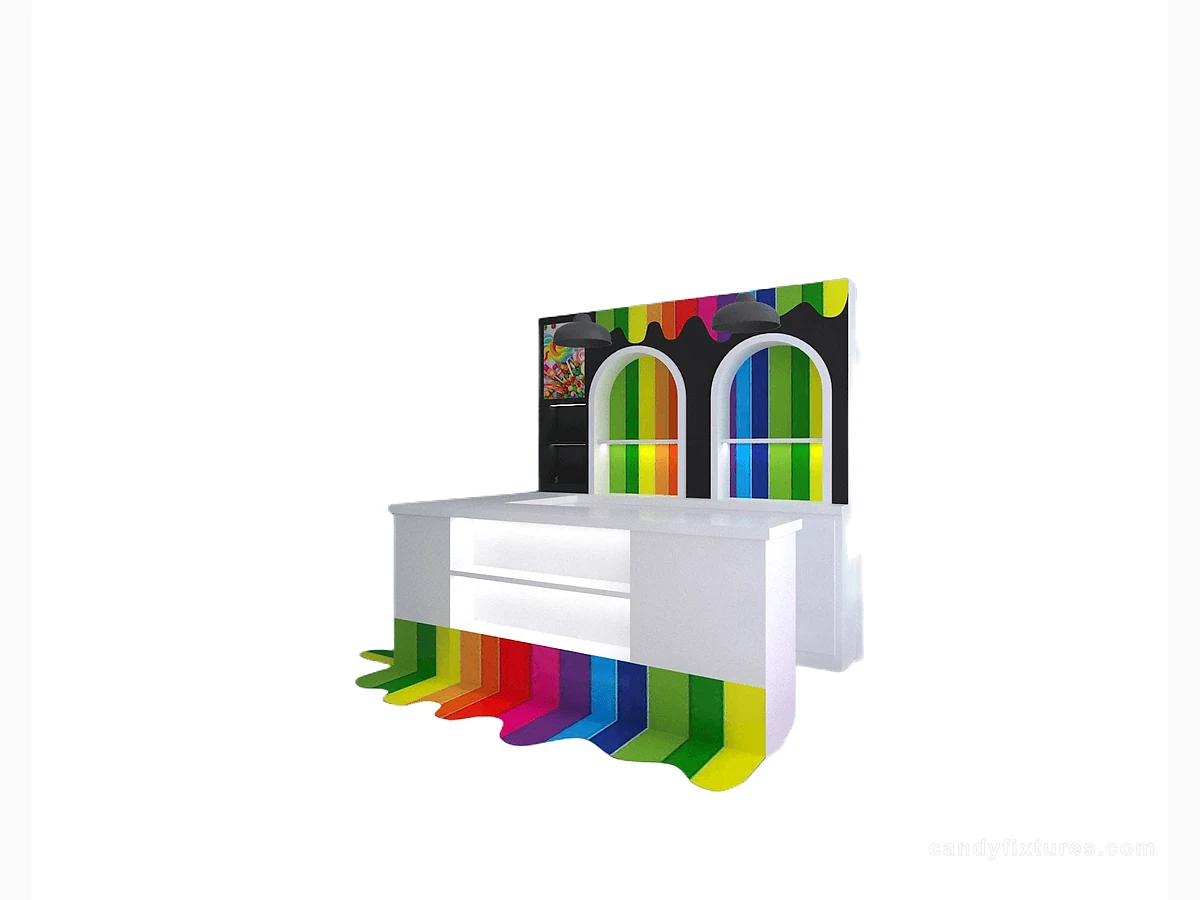
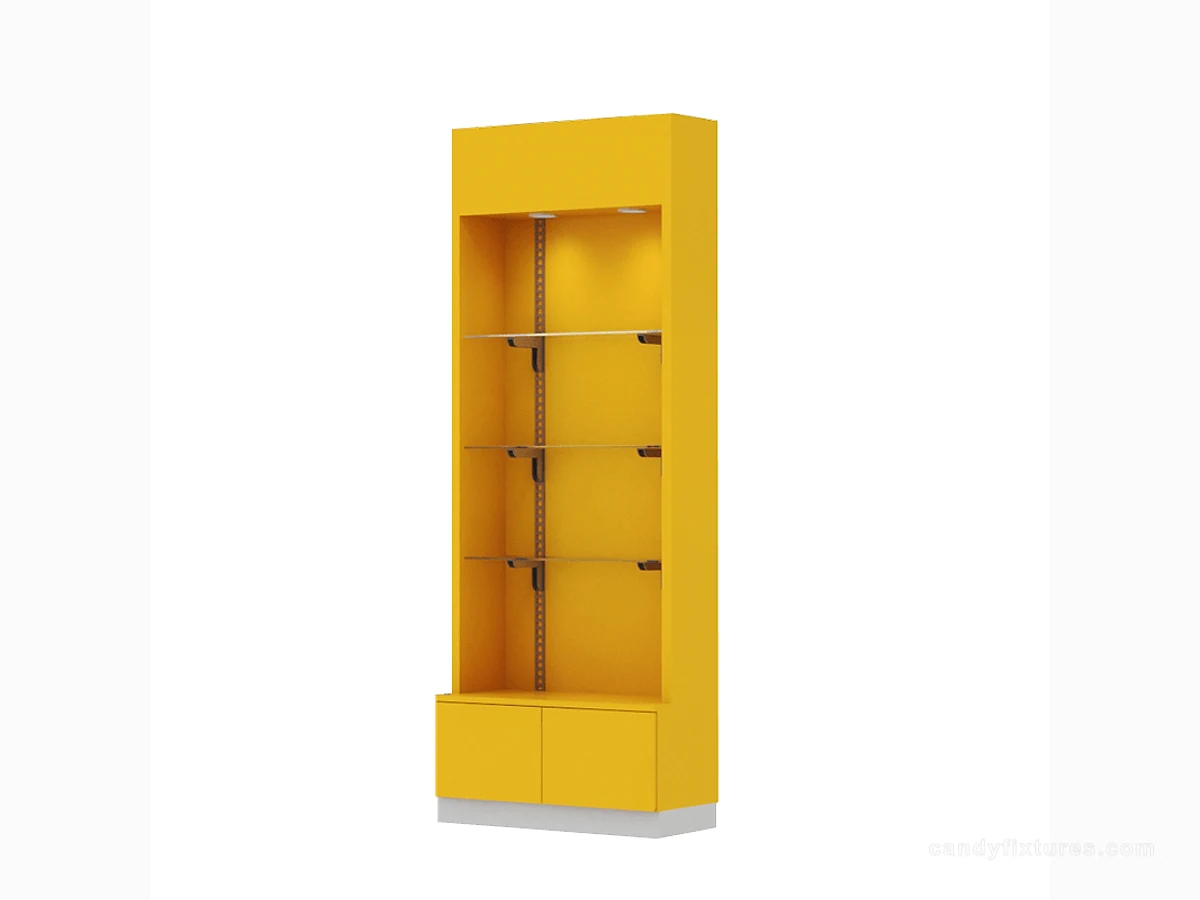
Yellow Framed Display with Oval OpeningWhite L-Shaped Checkout CounterYellow Shelf Cabinet with Clear Panels Layered Candy Gift Display with Base StorageCandy Inventory Management: Count Stock, Control Batches and Plan ReordersRead the complementary planning guide.Candy Store Fixture Maintenance: Inspect, Report and Restore Displays SafelyRead the complementary planning guide.Candy Store Operations: Build a Simple Inventory and Replenishment RoutineRead the complementary planning guide.Candy Store FixturesCompare reference furniture for your store workflow.
Frequently asked questions
Who should sign off a completed task?
The person responsible for training should observe the task under the shop's approved process and record any limits or follow-up.
Sources and further reading
- FDA — Food AllergiesBackground reference retained for further reading. Check the requirements applicable to your product and location.
- FDA — Retail Food ProtectionBackground reference retained for further reading. Check the requirements applicable to your product and location.
- U.S. Access Board — 2010 ADA StandardsBackground reference retained for further reading. Check the requirements applicable to your product and location.
Use the linked material as background. The accepted product information, equipment instructions and requirements applicable to your location determine the final operating and installation decisions.