
Candy Inventory Management: Connect Locations, Units and Reorders

Inventory records become useful when they match the way stock is physically stored and sold. Start with an exact item and unit definition.
Start with the decision
Map reserve stock, open display stock and finished orders separately. Record case-to-pack conversions and identify the product version so a receiving count can be compared with the sales record.
Work through the details
Set a repeatable receiving and movement routine. Count selected locations and investigate differences before changing records. Shelf labels, bin labels and the stock list should point to the same item.
A planning example
A carton contains several inner packs, while the shop sells individual bags. Write the conversion once and use the same unit in receiving, movement and counting records. If different staff count in different units, a full cabinet may look like a stock discrepancy even when no product is missing.
Check it in the shop
Use observed demand and supplier lead time to review reorder decisions. Keep uncertain stock separate and do not treat a larger cabinet as a substitute for rotation and accurate records.
Related products and planning pages
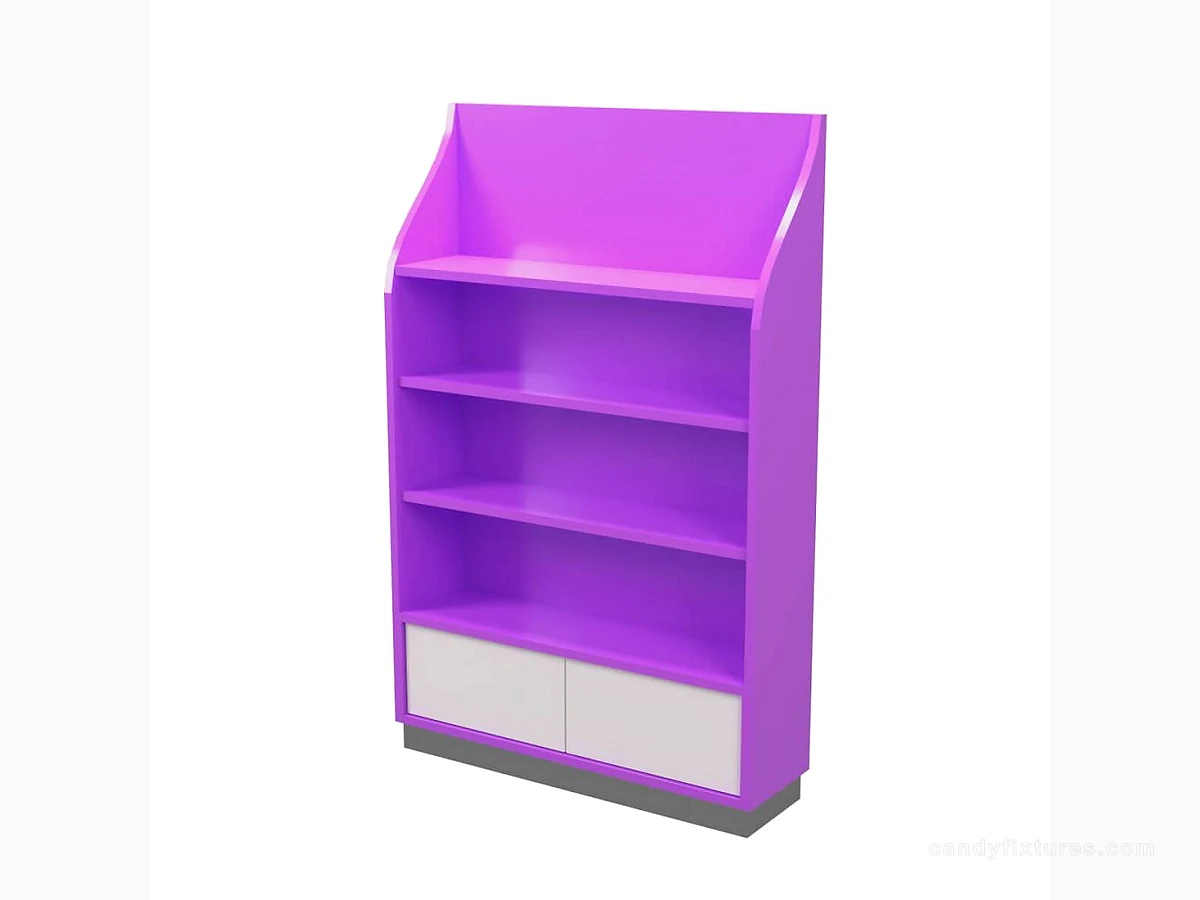
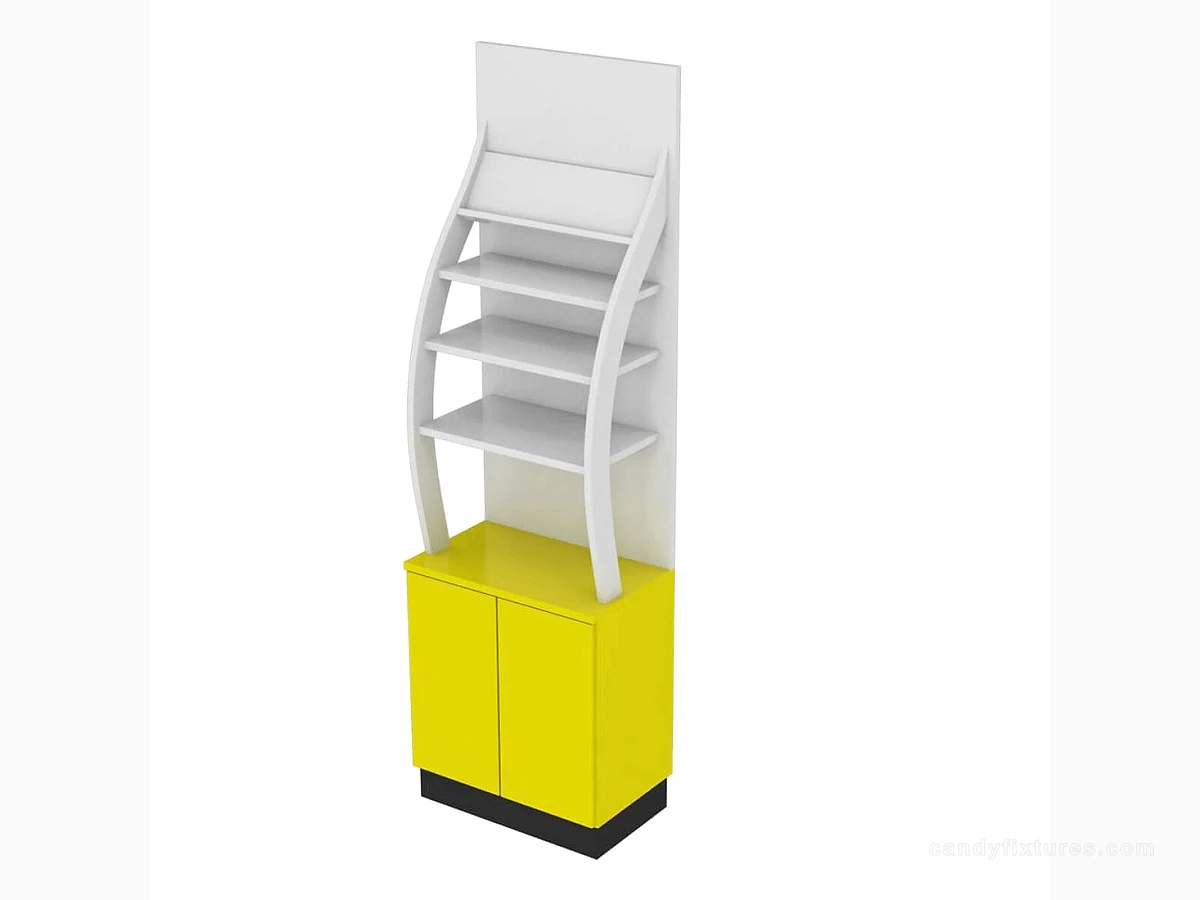
Layered Candy Gift Display with Base StoragePurple Open Shelf Cabinet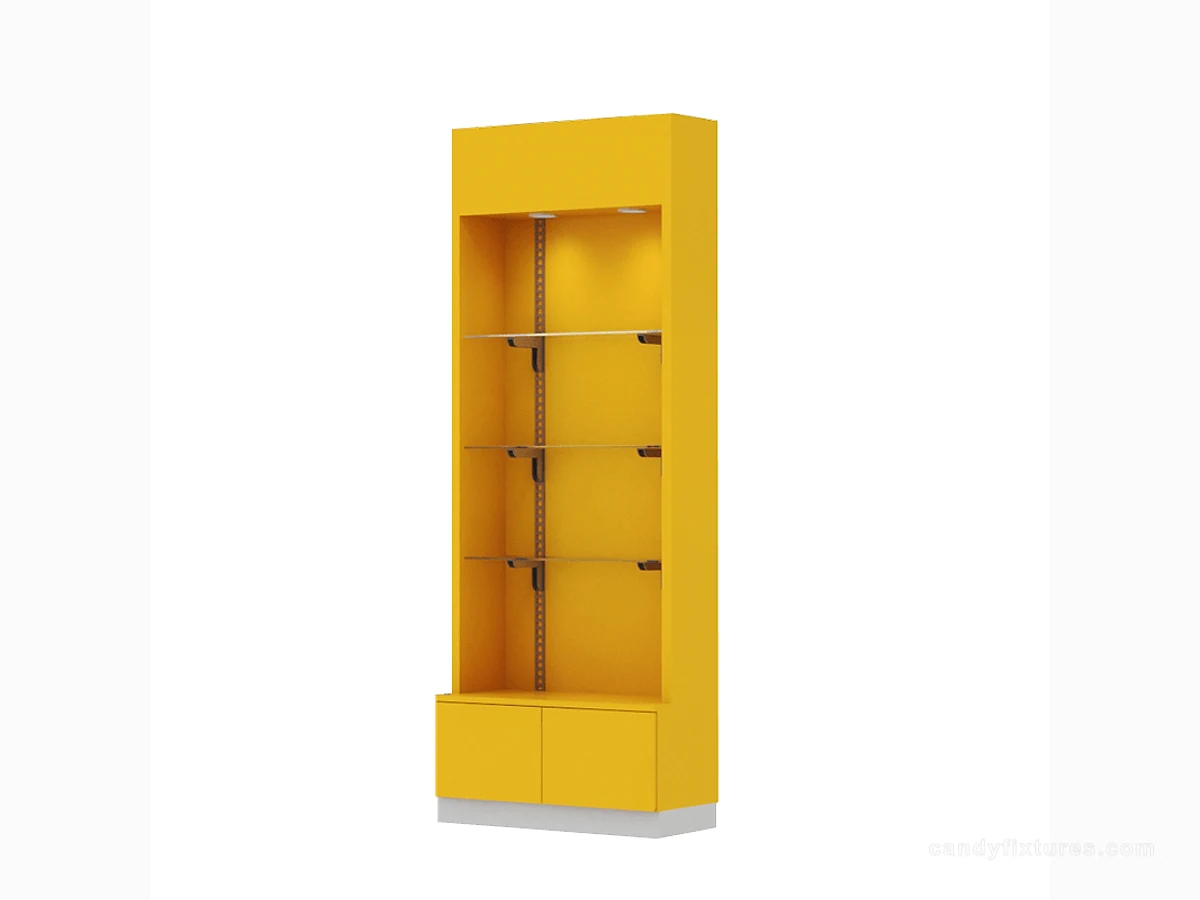 Yellow Shelf Cabinet with Clear Panels
 White L-Shaped Checkout CounterRetail Display TablesBrowse related fixture formats.Candy Store Storage Cabinets: Organize Backstock Without Hiding the Refill ProcessContinue with the complementary planning guide.Candy Store Planogram: Map Packaged Sweets, Facings and Refill RulesContinue with the complementary planning guide.Candy Store Operations: Build a Simple Inventory and Replenishment RoutineContinue with the complementary planning guide.
Frequently asked questions
Is more reserve stock always a better solution to availability problems?
No. Check demand, ordering and location accuracy before adding inventory or storage capacity.
Sources and further reading
- GS1 US — Barcoding basicsBackground reference retained for further reading. Check the requirements applicable to your product and location.
- FDA — Food allergiesBackground reference retained for further reading. Check the requirements applicable to your product and location.
- FDA Food CodeBackground reference retained for further reading. Check the requirements applicable to your product and location.
Use the linked material as background. The accepted product information, equipment instructions and requirements applicable to your location determine the final operating and installation decisions.