
Candy Fixture Decommissioning: Decide What to Reuse, Transfer or Remove
Plan a candy fixture retirement with an asset list, a reuse decision, a controlled collection and a documented handover before ordering replacement displays.
Define the end of service before booking collection
Retail fixture decommissioning starts with a decision about each unit: keep it in service, transfer it for a confirmed use, or arrange an appropriate removal. For a candy store, empty floor space is only one part of the job. You also need to preserve merchandise identity, protect the remaining shop operation and record where the outgoing display went. Make the decision before inviting a collector to take everything that looks unwanted.
Set the scope around an actual change, such as replacing a gift island or retiring a counter after a layout revision. Name the affected units and the person authorized to approve their destination. Distinguish a complete shop closure from a single-unit replacement during normal trading. A small replacement still needs a collection route and a stock plan, but it should not trigger unnecessary clearance of displays that remain useful.
Write down the operating deadline, access constraints and dependencies. For example, the replacement shelf may arrive after the old one must leave. Decide where the merchandise will be held during that gap and who will approve a temporary display. Do not solve an uncertain delivery date by leaving loose stock in a circulation route. This guide is an organizing framework; qualified contractors must determine safe disassembly, handling, electrical work and transport for the actual installation.
Make an asset list that a second person can follow
Give every outgoing unit a simple shop reference and photograph it in place. Record the whole fixture, identifying marks, visible condition and any separate parts that belong with it. Match the reference to the purchase record or approved drawing where these are available. Two cabinets may share a colour while differing in dimensions, fittings or construction. A photograph alone does not establish interchangeability or the ability to carry a particular load.
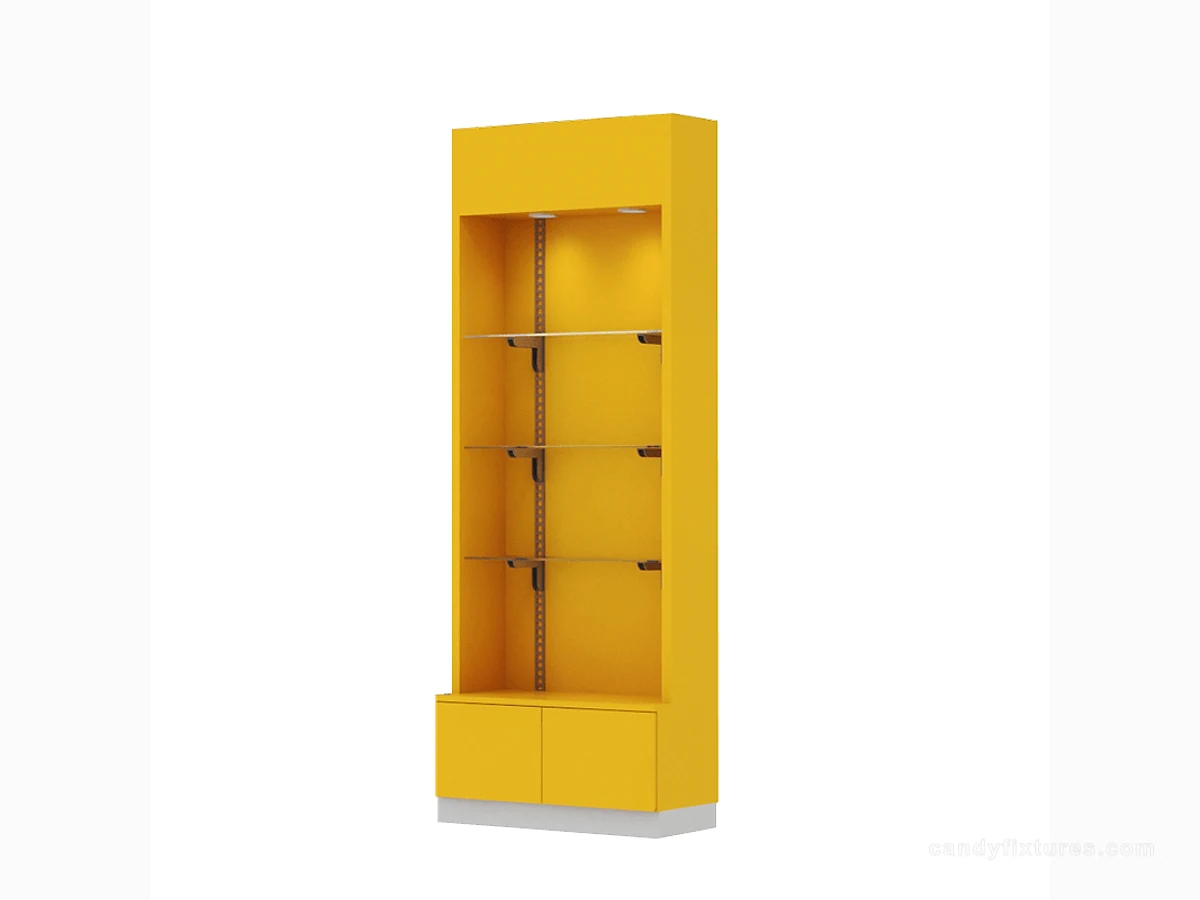
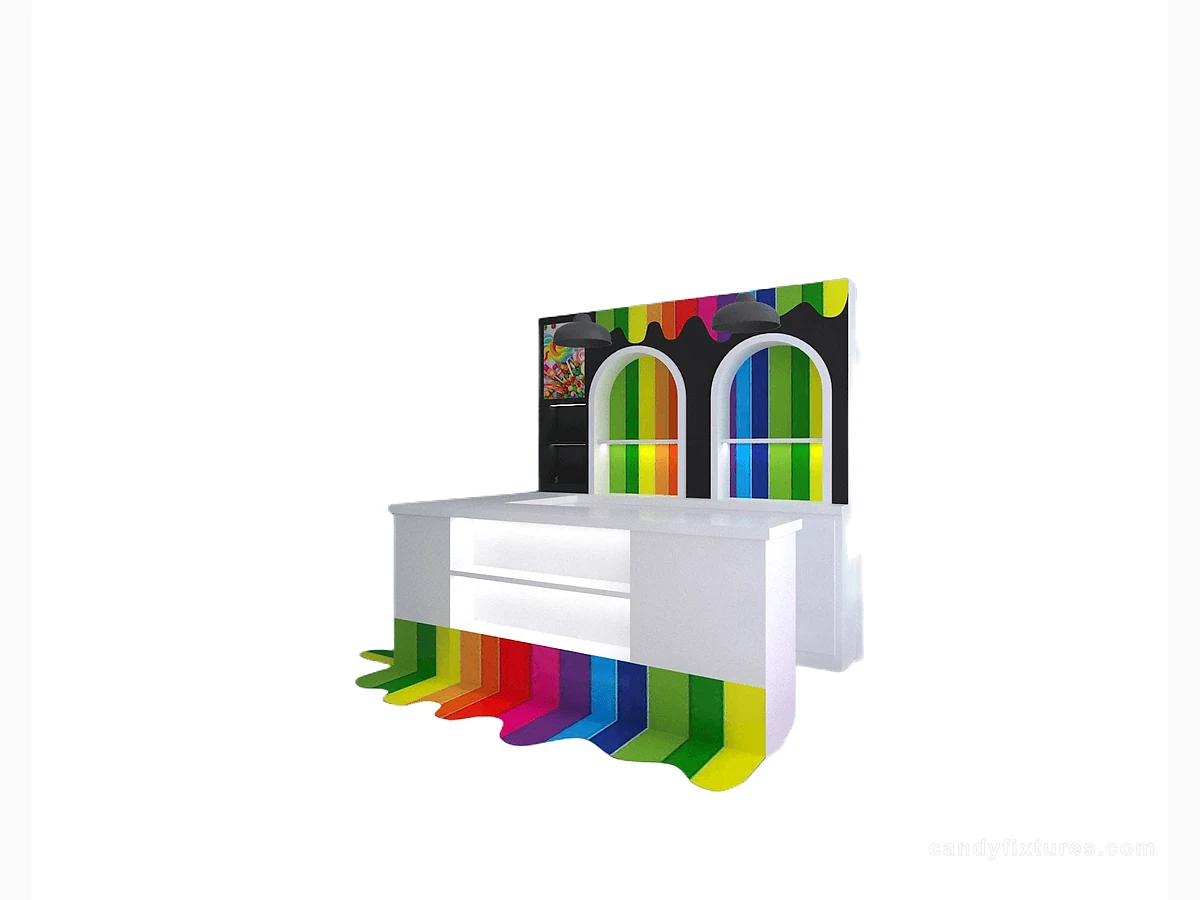
Separate the fixture from its contents and surrounding fit-out. A yellow shelf cabinet can include removable shelves and panels, while adjacent signage may belong to a different project. List the included pieces instead of assuming that everything visible in a product reference was supplied together. For an L-shaped service counter, identify any connected equipment or adjoining work that requires a separate contractor. Do not direct store staff to disconnect unfamiliar services to complete an inventory.
Add ownership and permission checks. A unit could be leased, landlord-owned, subject to an existing service case or already promised to another branch. Confirm the authority to dispose of it before advertising a transfer. Keep uncertain units in a pending group and assign the missing evidence to a named person. This makes the list useful for decisions rather than merely producing a set of attractive photographs for a buyer.

Compare reuse options against a real receiving need
Start with whether the unit still has a suitable purpose. The US EPA's waste guidance encourages repair and reuse and suggests checking local recycling arrangements where reuse is unsuitable. That general approach does not establish the condition or acceptability of a particular candy cabinet. Have the relevant person assess damage, missing parts and the proposed use before treating transfer as the preferred outcome. A recipient should receive an honest condition description.
Compare the receiving location as carefully as the outgoing one. Check the intended merchandise, available footprint, access route and installation requirements. A display with base storage may be useful at another shop, but its doors still need usable clearance and the recipient needs a plan for keeping reserve packs identifiable. Do not send a unit simply because another branch has an empty wall. Confirm that someone there accepts both the unit and the work needed to put it into service.
Estimate the complete transfer effort using actual quotations where necessary: assessment, packing, collection, transport, storage, repairs and reinstallation. Compare this with the business value of the receiving use rather than the original purchase price alone. Do not promise a resale percentage, environmental saving or tax treatment without evidence. If the receiver has no definite opening or storage plan, delaying the decision may only move the clutter and cost to another address.
Approve a destination and an exception for each unit
Use a decision table to distinguish confirmed destinations from unresolved possibilities. A collector's expression of interest is not a completed transfer. Record the agreed recipient, included parts, condition statement and collection arrangement. If a fixture cannot be reused in its current state, ask an appropriate specialist about repair or material recovery. Do not describe mixed construction as recyclable everywhere; acceptance depends on local facilities and the actual components.
Agree what happens when a destination falls through. A buyer may reject a damaged panel after inspection, or a receiving branch may discover that its access route is unsuitable. Set a contact and a review point rather than allowing an unapproved substitute destination. Any change should remain linked to the same asset reference. This is particularly useful when several similar shelves are leaving on the same day and collectors are working to a tight appointment.
Keep the commercial agreement separate from the handling plan. A sale or donation does not automatically resolve responsibility for loading, building protection, insurance or reinstatement. Obtain the appropriate written arrangements for the project and location. The store manager should know who may release the unit and what confirmation must be recorded, without needing to interpret an informal message chain while customers are still being served at the adjacent counter.
| Proposed outcome | Evidence before approval | Hold the decision when |
|---|---|---|
| Keep in current use | A suitable purpose and an appropriate condition assessment | The unit has unresolved damage or an unsuitable use |
| Transfer to another shop | Receiver acceptance, dimensions, access and installation plan | The destination or receiving owner is uncertain |
| Sell or donate | Ownership permission, condition statement and agreed collection | Included components or handling responsibility are unclear |
| Repair before reuse | Specialist assessment and an approved scope | The repair outcome has not been checked |
| Arrange material recovery | Actual construction information and local acceptance | The collector cannot confirm the intended arrangement |
Prepare merchandise and the collection route
Move merchandise through the normal stock-control process before releasing the fixture. Record where each product group goes, keep original identification available and update display locations used by staff. Count loose fittings separately from candy packs and packaging. A tray of shelf clips should not disappear into a reserve-stock carton. Use an authorized holding location for products that cannot go straight onto another approved display, and keep that location clear to the next shift.
Arrange the work boundary with the people responsible for the premises and collection. Confirm access appointments, loading restrictions and any requirements for protecting floors or adjacent displays. Qualified handlers should decide how the fixture is dismantled, supported, packed and moved. Staff should not improvise a lifting method, stack glass panels together or remove fixed components because a van has arrived early. Delay the release if the agreed handling arrangements are not ready.
Before collection, photograph the emptied unit and verify its included parts against the list. Keep any original instructions that remain relevant with the handover packet. Note pre-existing damage without guessing its cause. For storage-backed displays, check compartments for forgotten stock and shop documents. A final sweep should cover the actual unit and its immediate work area, while leaving unrelated cabinets and customer-facing displays outside the release scope.
Verify collection and the receiving handover
At release, match the collector and unit to the approved arrangement. Record the asset reference, date, included components, observed exceptions and receipt or other appropriate acknowledgment. If the collector takes fewer pieces than expected, correct the record while the discrepancy is visible. Do not mark a complete fixture transferred when a shelf set remains behind. Link any photographs to the same reference so that the receiving team can distinguish dispatch condition from later observations.
A transfer to another shop needs a second handover after arrival. Ask the receiver to confirm identity, apparent condition and the completeness of the supplied pieces. Keep the unit out of service until the required inspection and installation checks are complete. The old shop's successful use does not establish that the new location, fixing arrangement or intended merchandise is suitable. Resolve missing instructions or components through the appropriate supplier or specialist before opening the display.
For removal or recycling, retain the agreed collection evidence and the destination information that is appropriate to the local arrangement. Do not turn a collection receipt into a claim about final material recovery that you cannot verify. If the intended outcome was reuse but the collector reports disposal instead, record the actual outcome. The useful management record describes what happened, including deviations, rather than repeating the original plan after circumstances changed.
Close the space and improve the replacement brief
Check the released area before normal use resumes. Have the responsible person assess any remaining fixings, exposed services, floor damage or unfinished work. Reopen the area only after the required work is completed and accepted. Moving a cabinet away can reveal conditions that were previously hidden; an empty footprint is not proof that the space is ready for shoppers. Record any follow-up work with a clear owner instead of leaving it in a general closing checklist.
Update the asset list, display plan and relevant financial records with the actual destination and costs. IRS recordkeeping guidance explains the value of supporting business records in the US; it does not decide the accounting or tax treatment of your specific transfer. Keep suitable professional advice separate from the operating checklist. Retain order documents and receipts according to the requirements that apply to the business and location, including any unresolved service or contractual matter.
Finally, feed the practical observations into the next fixture enquiry. Ask for clear component identification, relevant maintenance information and a realistic access plan. If a base-storage display was difficult to clear because product locations were undocumented, improve that routine before adding more storage. If transfer failed because the receiving shop lacked dimensions, make measured information part of future handovers. The result should be a closed asset record and a better purchase brief, not simply a different cabinet in the same gap.
Related products and planning pages
Yellow Shelf Cabinet with Clear PanelsWhite L-Shaped Checkout CounterLayered Candy Gift Display with Base Storage Yellow Framed Display with Oval OpeningCandy Store Fixture Cost: Compare the Same ScopeContinue with this complementary planning or operating guide.Candy Fixture Delivery: Check the Route before the Packing ListContinue with this complementary planning or operating guide.Candy Fixture Maintenance: Turn Observations into a Repair HandoverContinue with this complementary planning or operating guide.Candy Store FixturesCompare display, counter and storage arrangements.
Frequently asked questions
Must an old display be discarded when a new one arrives?
No. Assess whether it has a suitable continued or receiving use, then confirm condition, ownership, access and installation needs before approving reuse.
Can shop staff dismantle every outgoing fixture?
No. The actual construction, connections and site determine the required competent handlers. Use qualified contractors where appropriate and follow the agreed handling plan.
What should accompany a transferred cabinet?
Include its genuine identity, included components, condition record, relevant available instructions and an agreed receiving contact. Verify arrival and readiness before use.
Does a collection receipt prove the fixture was recycled?
No. It documents collection. Describe only the destination or recovery outcome supported by the evidence available.
Sources and further reading
- US EPA — Waste prevention, reuse and repairGeneral US environmental guidance on reuse, repair and checking recycling options; not a condition assessment of a particular fixture.
- IRS — RecordkeepingUS supporting-document guidance; confirm applicable accounting, tax and retention requirements separately.
Use the linked material as background. The accepted product information, equipment instructions and requirements applicable to your location determine the final operating and installation decisions.