
Candy Store Sampling: Design an Attended Trial
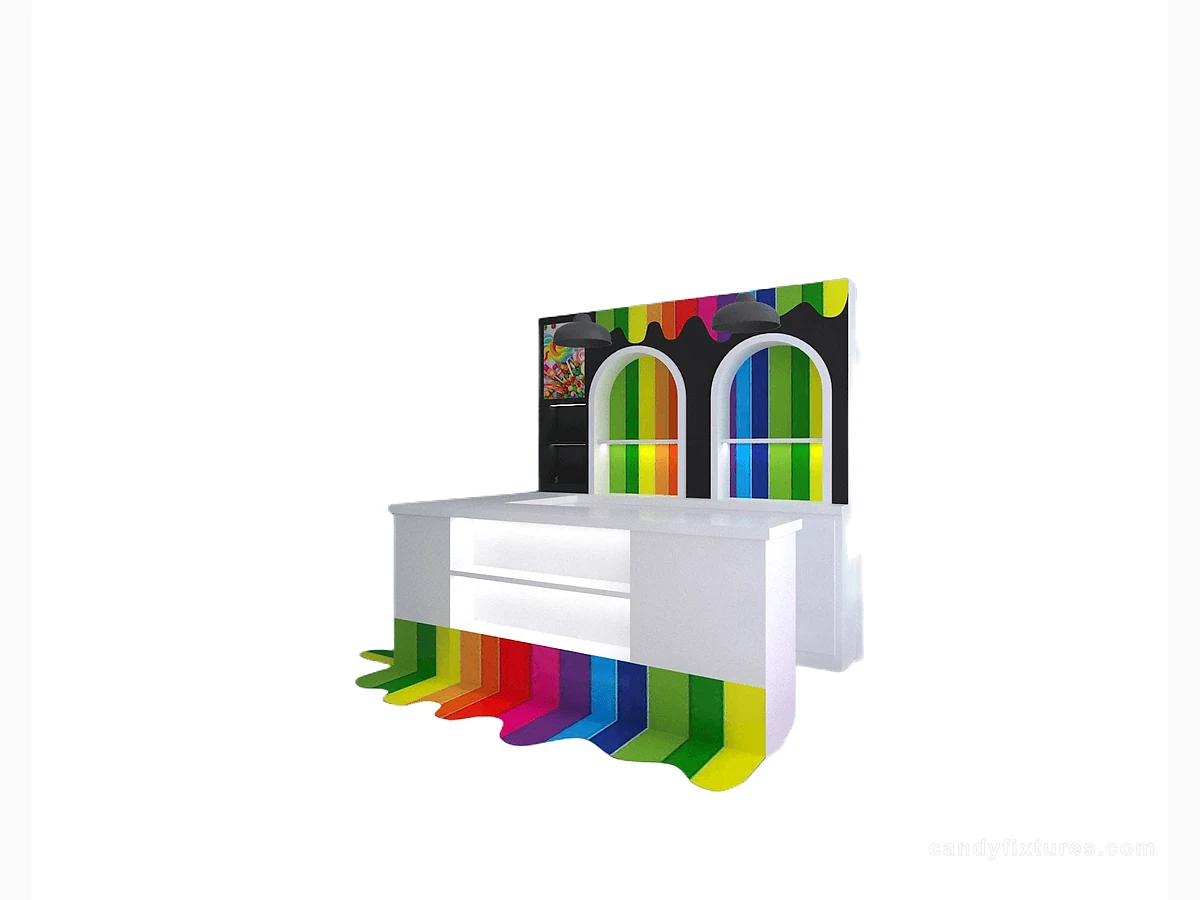
Sampling introduces a handling task that ordinary shelf browsing does not cover. Set the product-control procedure before choosing a stand.
Start with the decision
Confirm that the product, venue and local requirements allow the proposed method. Use the supplier's ingredient and allergen information and identify the person responsible for the sampling station.
Work through the details
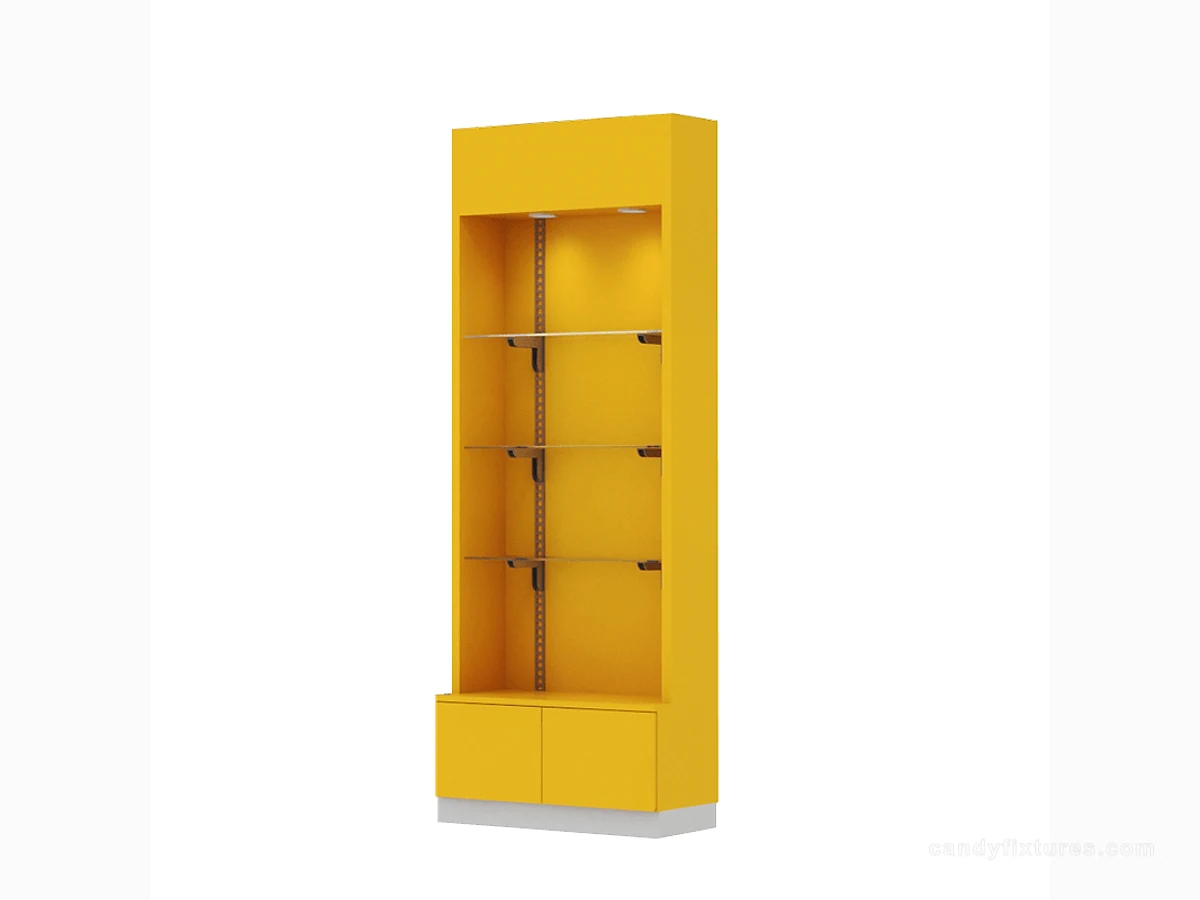
Arrange portions, utensils, waste and any required cleaning resources so customers cannot confuse samples with sale stock. Keep the queue away from payment and protect nearby products from the handling activity.

A planning example
A shopper asks whether a sample contains a particular allergen. The attendant uses the exact product information and the shop's escalation procedure. If the answer cannot be verified, the sampling task stops for that question; the look, flavour or familiar wrapper is not a safe basis for an improvised assurance.
Check it in the shop
Rehearse replenishment and a customer ingredient question before opening the trial. Stop and escalate when information or product condition is uncertain. Measure useful feedback without treating the number of portions distributed as proof of commercial success.
Related products and planning pages
White L-Shaped Checkout CounterYellow Shelf Cabinet with Clear PanelsLayered Candy Gift Display with Base Storage Yellow Framed Display with Oval OpeningCandy Store Employee Training: Demonstrations, Practice and Shift Sign-offRead the complementary store planning guide.Candy Store Queue Design: Plan Joining, Waiting and CollectionRead the complementary store planning guide.Candy Store Operations: Build a Simple Inventory and Replenishment RoutineRead the complementary store planning guide.Candy Store FixturesCompare furniture references for the intended service workflow.
Frequently asked questions
Does using individual cups remove all sampling controls?
No. Product information, handling, service supervision and applicable local requirements still need review.
Sources and further reading
- FDA — Food AllergiesBackground reference retained for further reading. Check the requirements applicable to your product and location.
- FDA — Retail Food ProtectionBackground reference retained for further reading. Check the requirements applicable to your product and location.
- U.S. Access Board — 2010 ADA StandardsBackground reference retained for further reading. Check the requirements applicable to your product and location.
Use the linked material as background. The accepted product information, equipment instructions and requirements applicable to your location determine the final operating and installation decisions.