
Candy Store Replenishment: Follow a Carton to the Shelf
A refill routine crosses receiving, storage and sales space. Observe the whole route before adding more stock capacity.
Start with the decision
Choose a frequent-selling item and follow one refill through the shop. Record where the carton is opened, the display is accessed and empty packaging is removed. Include the time when customers are browsing.
Work through the details
Check that product identity and date controls remain intact. Keep temporary stock away from customer routes and do not mix uncertain leftovers with a new batch just to finish the task.
A planning example
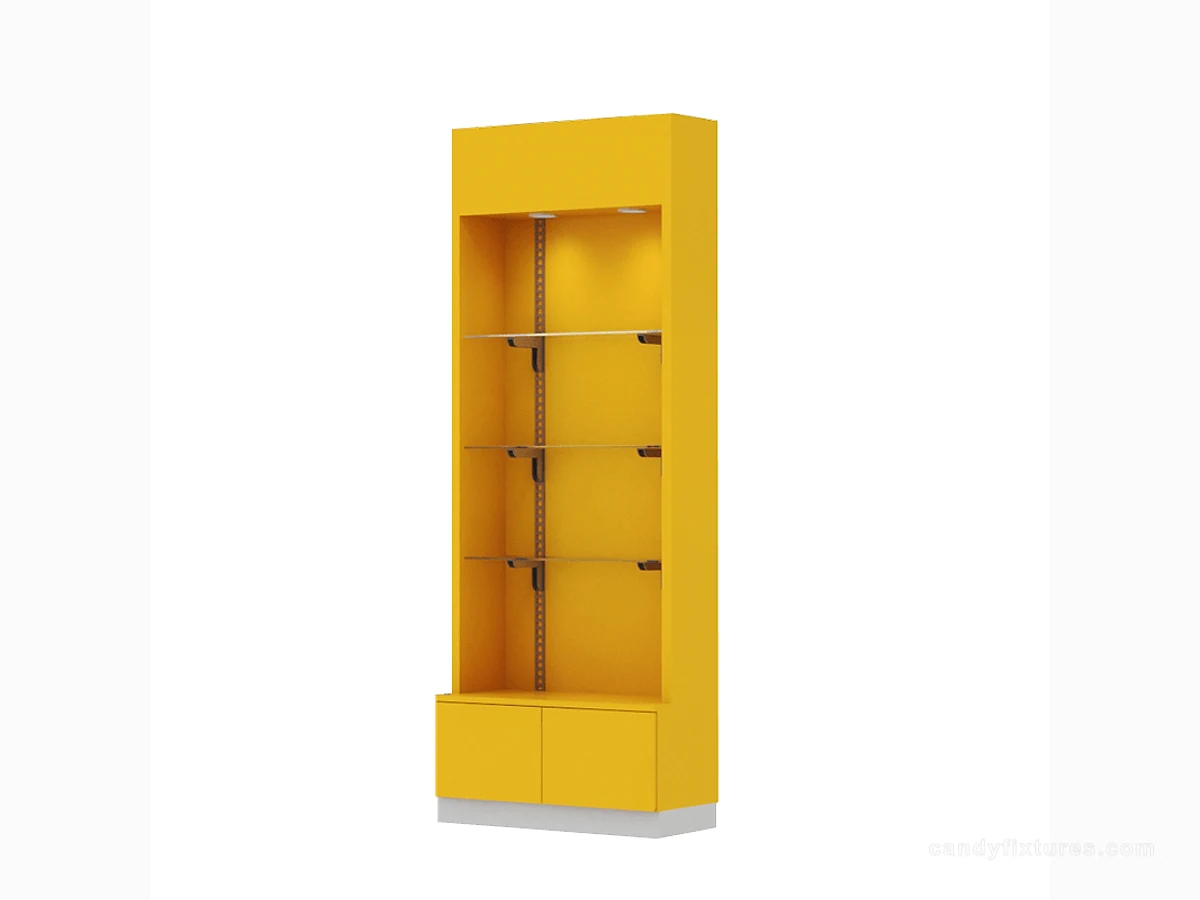
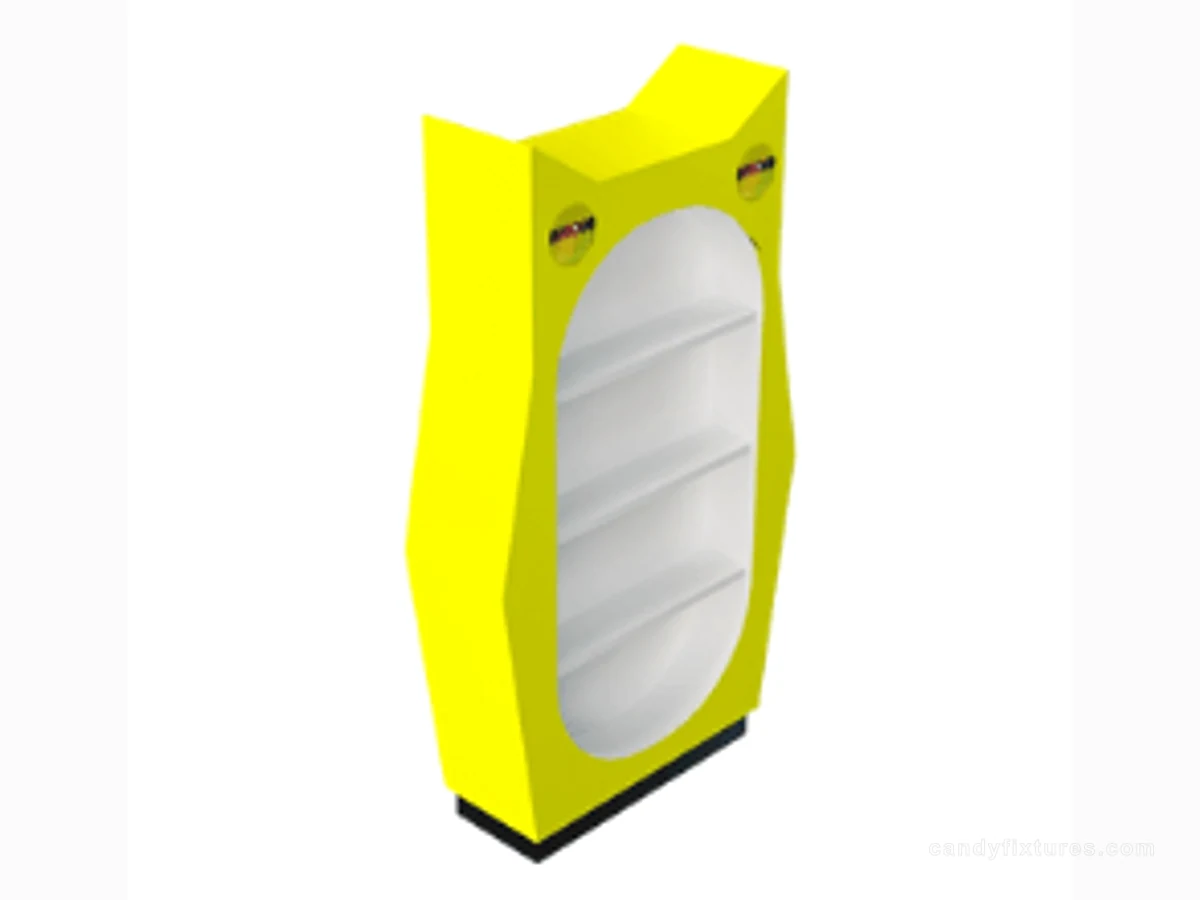
A refill carton waits on the floor because the lower cabinet door opens into the customer route. Observe when the conflict occurs and whether a different stock location or refill time solves it. If a hardware change is proposed, confirm its effect on access and safe operation with the supplier.
Check it in the shop
Change one obstacle, such as a blocked lower door or distant packaging point, and repeat the route. Leave the next shift a location-specific note about unfinished refills rather than a general request to top up everything.
Related products and planning pages
Yellow Shelf Cabinet with Clear PanelsYellow Framed Display with Oval OpeningWhite L-Shaped Checkout Counter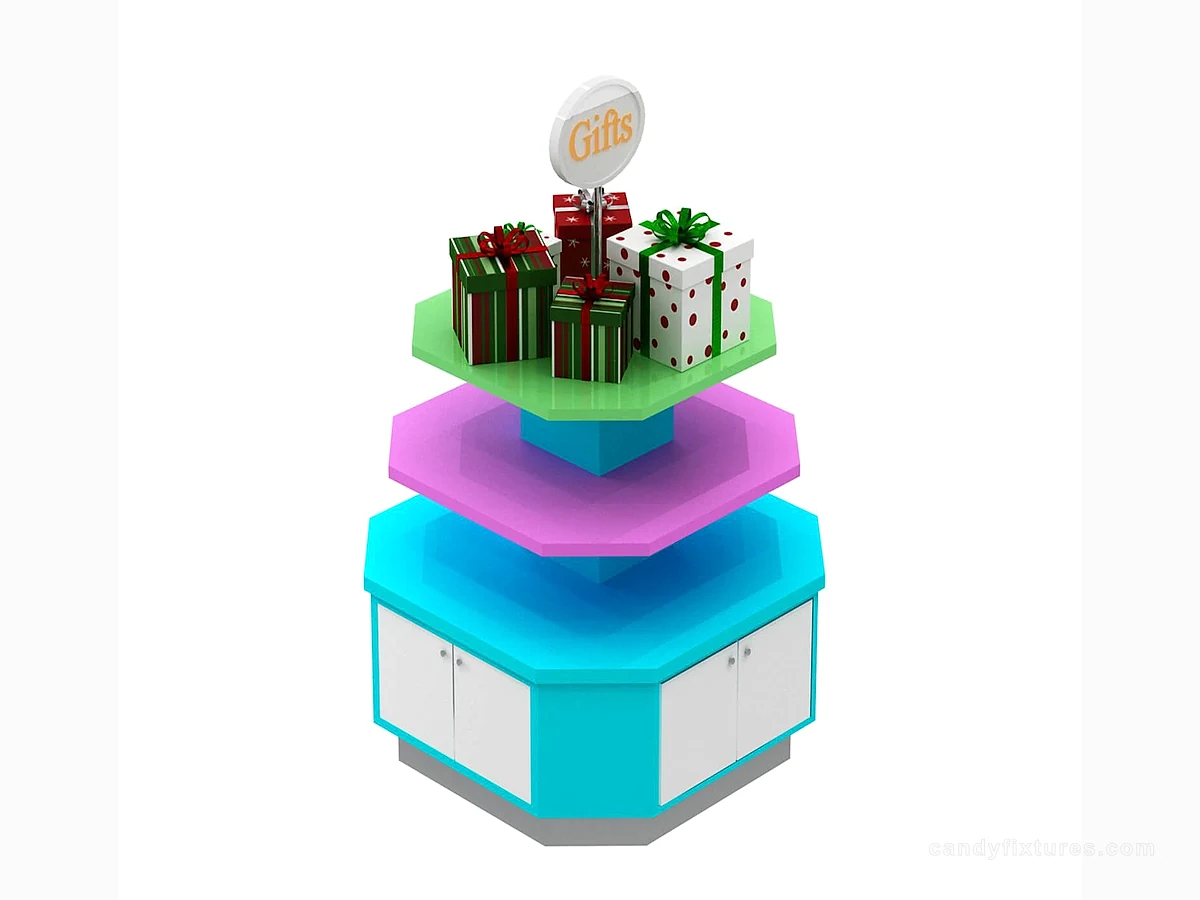 Layered Candy Gift Display with Base StorageCandy Inventory ManagementConnect floor refills with the wider stock record.Candy Store Employee TrainingObserve the routine before independent work.Candy Store Fixture Maintenance: Inspect, Report and Restore Displays SafelyRead the complementary planning guide.Candy Store FixturesCompare fixture references for an improved refill route.Plan a store refill arrangementShare your packaging, display plan and access needs.
Frequently asked questions
Should every display be filled to its maximum at opening?
Set fill levels from the product and operating plan. Maximum physical capacity is not automatically the right replenishment target.
Sources and further reading
- FDA — Retail Food ProtectionBackground reference retained for further reading. Check the requirements applicable to your product and location.
- FDA — Food AllergiesBackground reference retained for further reading. Check the requirements applicable to your product and location.
- U.S. Department of Justice — 2010 ADA StandardsBackground reference retained for further reading. Check the requirements applicable to your product and location.
Use the linked material as background. The accepted product information, equipment instructions and requirements applicable to your location determine the final operating and installation decisions.