
Candy Store Profit Margin: Keep Product Margin Separate from Shop Profit
A product can have a positive gross margin while the store loses money. Keep the cost definitions visible before using a percentage.
Start with the decision
Identify sales revenue and the product costs included in the calculation. Do not confuse markup on cost with margin on selling price. Taxes, discounts, returns and fees need consistent treatment appropriate to the accounting method.
Work through the details
List the operating costs outside product margin, including rent, labour, utilities and other relevant expenses. Use current quotations and observed sales assumptions rather than copying a universal candy-store profit figure.
A planning example
Suppose an item sells for 10 units of currency and its defined product cost is 6. The gross difference is 4, giving a 40% margin on that selling price and about 66.7% markup on cost under this simplified example. Shop operating expenses have not yet been deducted.
Check it in the shop
Test several demand and cost scenarios with an accountant where needed. A fixture purchase should be assessed against the business plan and cash needs; no display shape or store theme guarantees a commercial return.
Related products and planning pages
Purple Frame Service CounterBlack Metal Candy Display Rack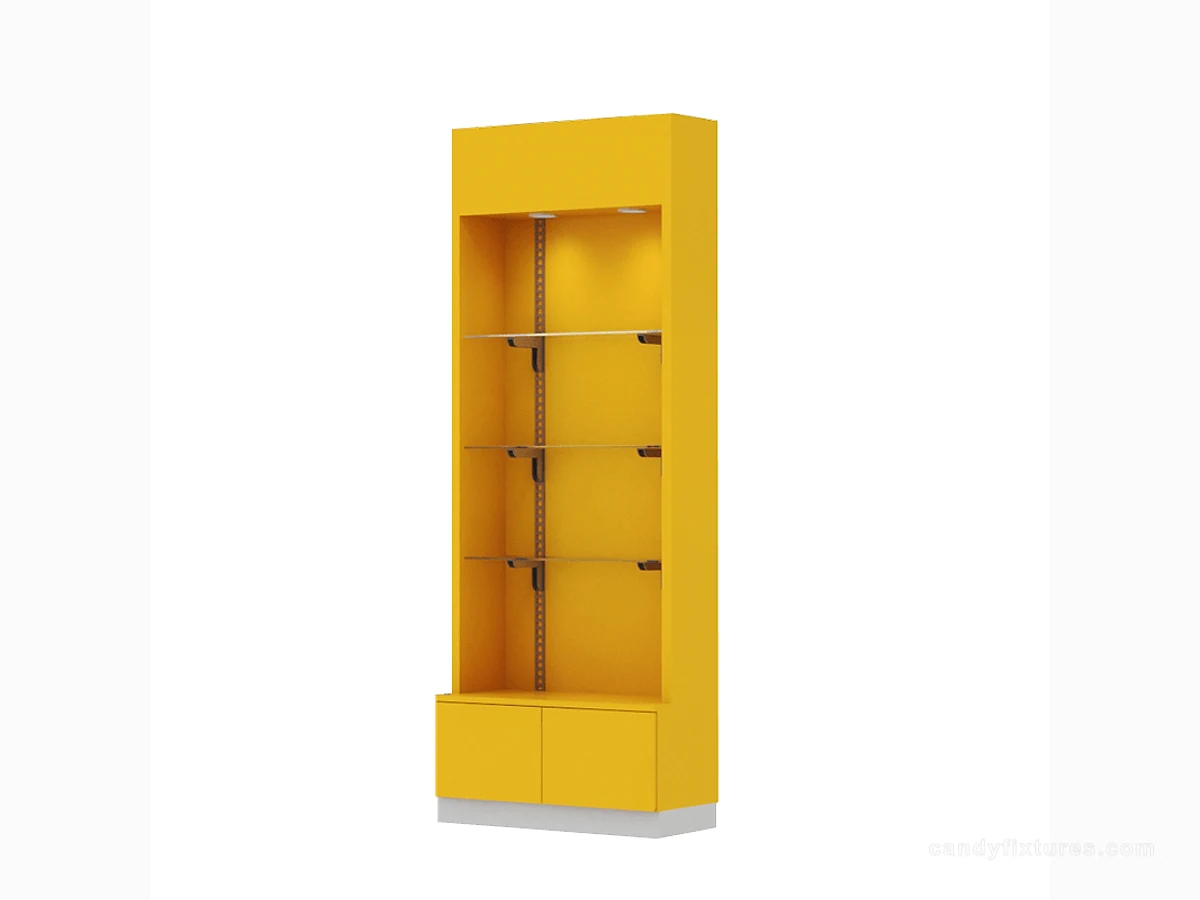 Yellow Shelf Cabinet with Clear Panels
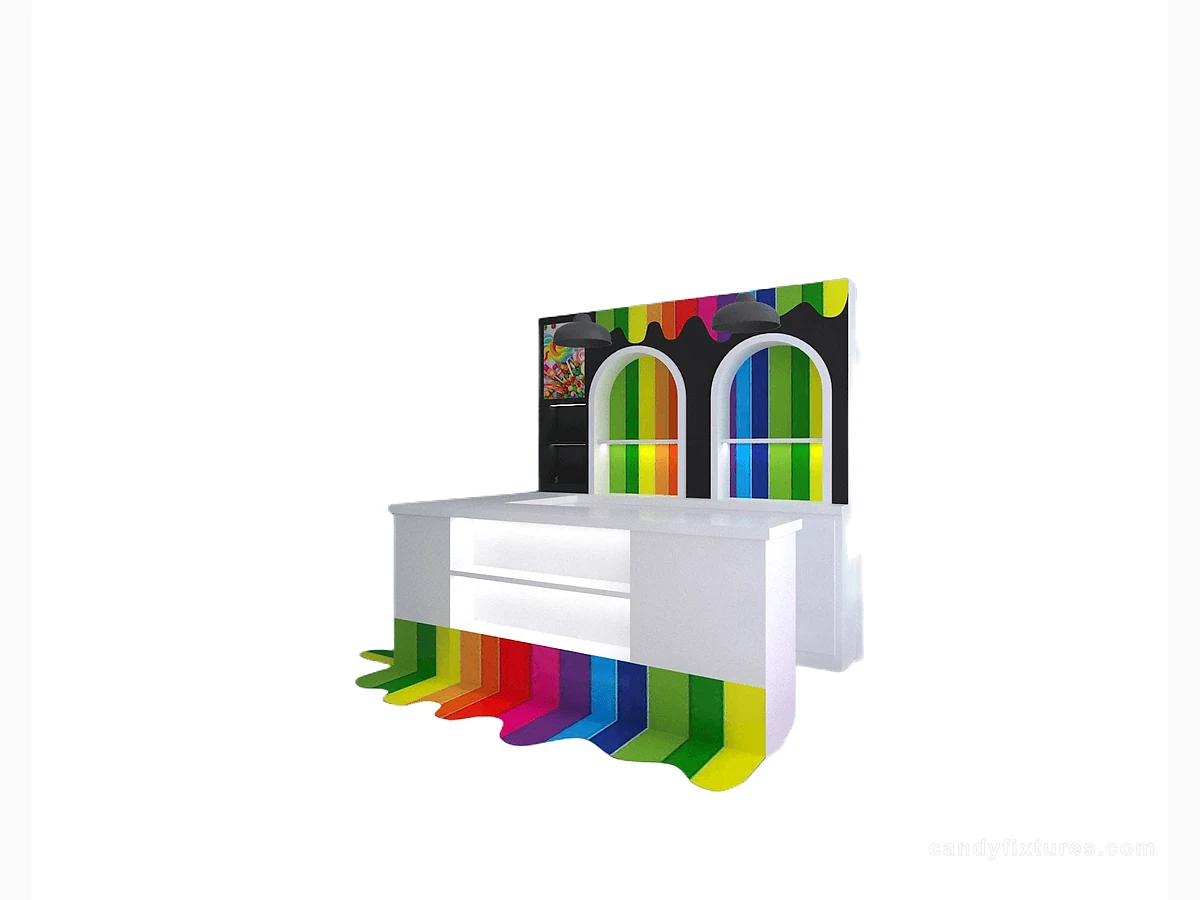 White L-Shaped Checkout CounterCandy store operations guideConnect margin assumptions to inventory and daily work.Candy store merchandising guideImprove product placement before changing price or assortment.Candy store display fixtures guideCompare fixture roles before approving the display budget.
Frequently asked questions
Does a product gross margin predict net shop profit?
No. Other costs, sales mix and accounting treatment still affect the business result. Use a qualified adviser for project-specific decisions.
Sources and further reading
- Internal Revenue Service — Publication 334, Tax Guide for Small BusinessBackground reference retained for further reading. Check the requirements applicable to your product and location.
- Internal Revenue Service — What kind of records should I keep?Background reference retained for further reading. Check the requirements applicable to your product and location.
- Internal Revenue Service — Guide to business expense resourcesBackground reference retained for further reading. Check the requirements applicable to your product and location.
Use the linked material as background. The accepted product information, equipment instructions and requirements applicable to your location determine the final operating and installation decisions.