
Candy Store Price Tags: Keep the Selling Unit Obvious
Customers need to know which price belongs to which sweet and what quantity the price buys. Decorative consistency comes after that relationship.
Start with the decision
Choose label holders that fit the exact wording and selling unit. Test the smallest label with the product, including reflections from clear bins and the view from the normal browsing position.
Work through the details
For a price change, identify the item, update the sales system under the shop's procedure and replace every affected display label. Include secondary displays so one item does not carry conflicting prices.

A planning example
The same gift bag appears at the window and beside checkout. A price change needs both positions checked as well as the sales record. Use the exact item identifier so a similar-looking bag of another size is not accidentally relabelled.
Check it in the shop
Ask another person to check a small sample against the product and terminal record. Place labels where they stay associated with the container after refilling, cleaning or moving a shelf.
Related products and planning pages
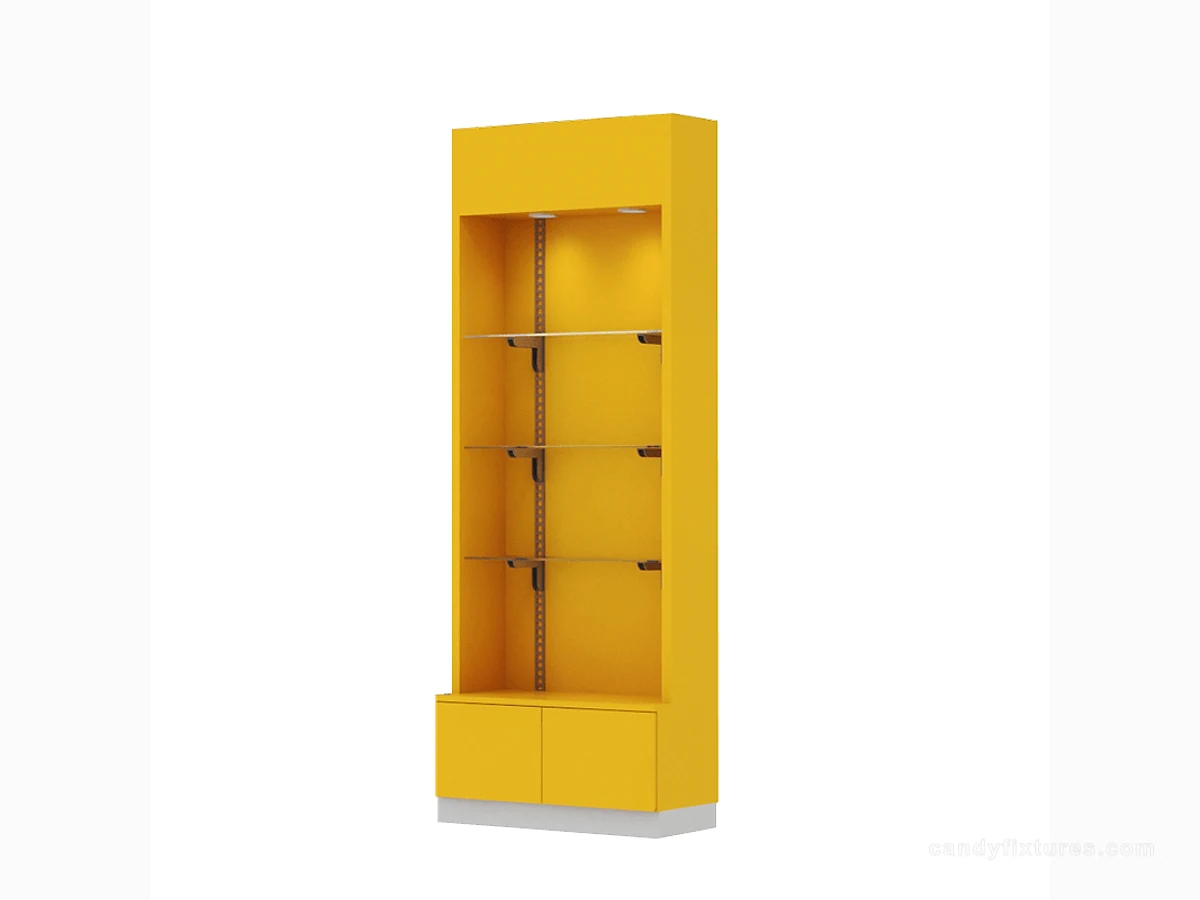
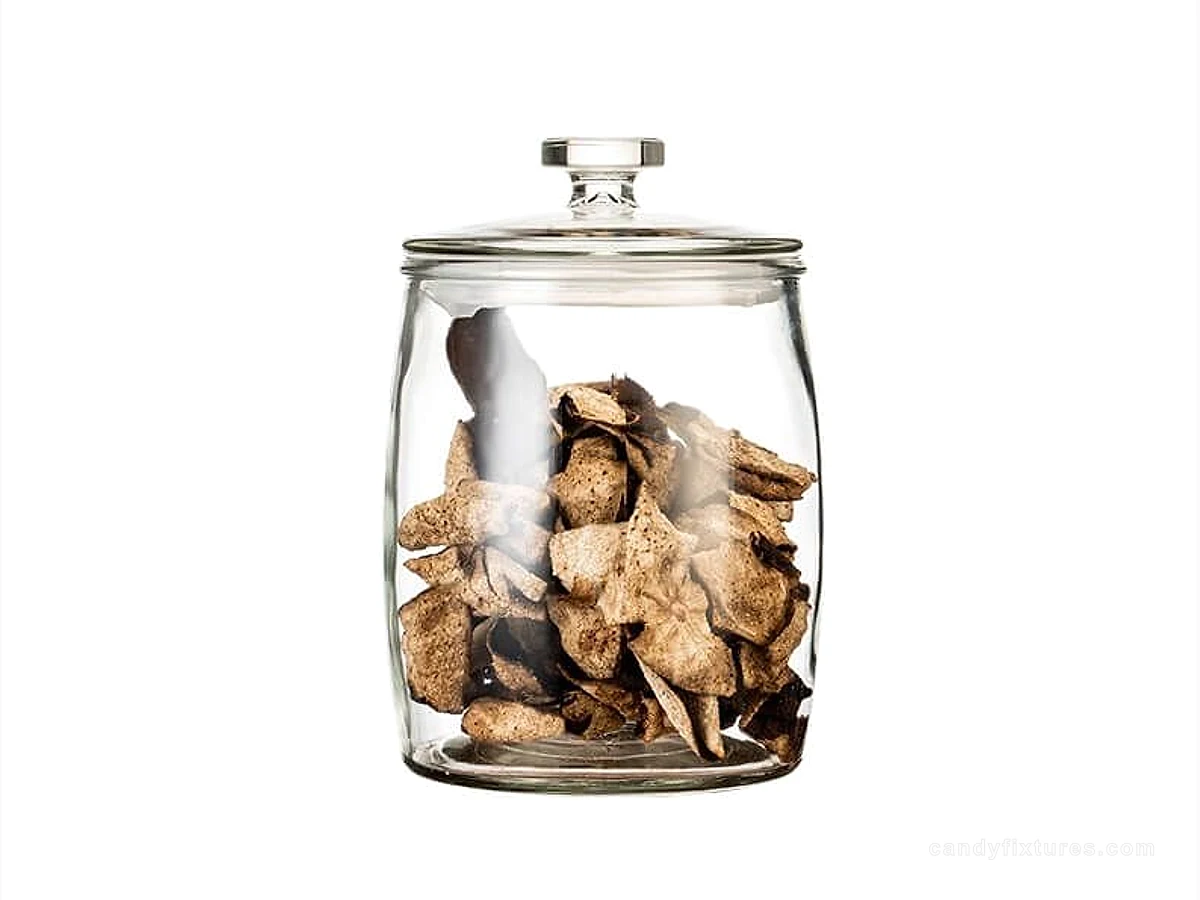
Yellow Shelf Cabinet with Clear Panels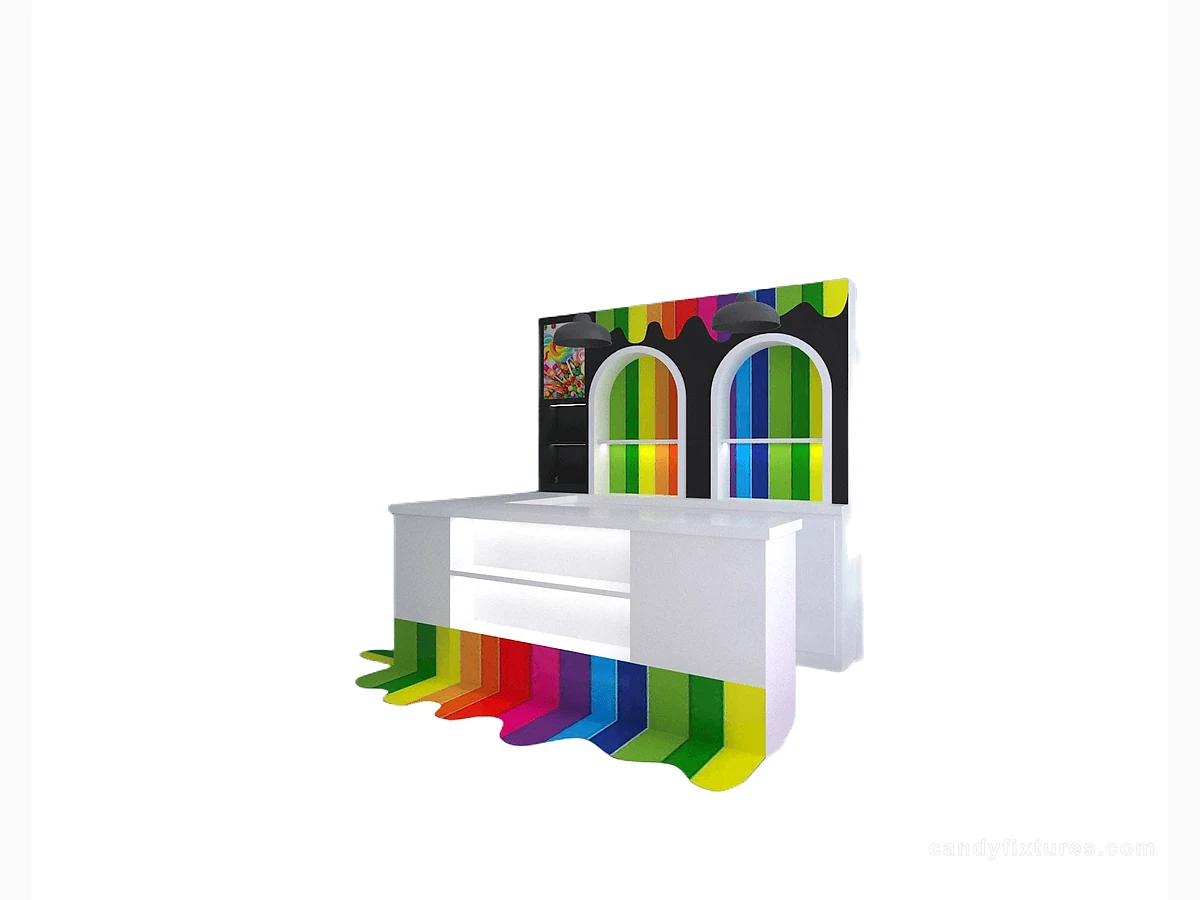 White L-Shaped Checkout CounterGlass Candy Jar with Knob Lid
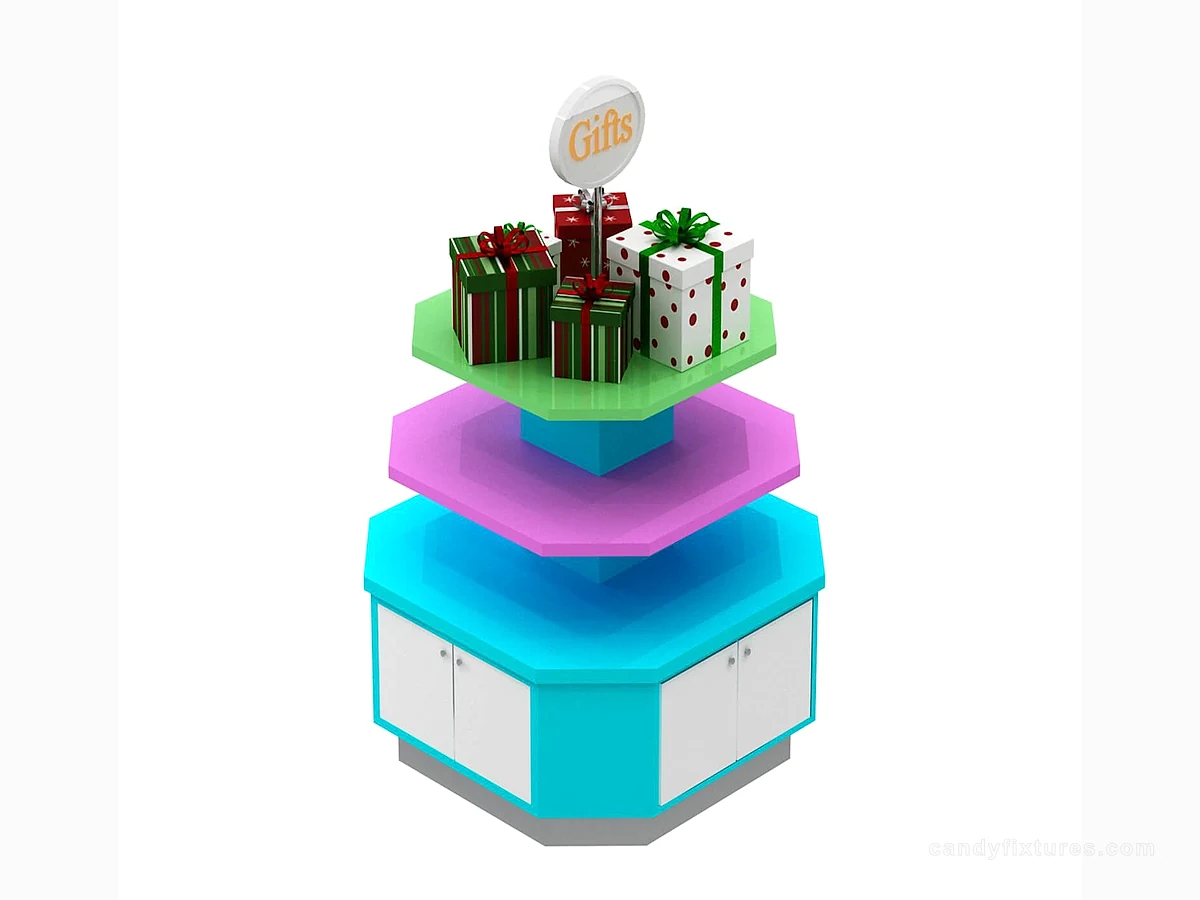 Layered Candy Gift Display with Base StorageCandy Display CabinetsCompare related display formats and confirm the final specification.Candy Store Merchandising Ideas: Build Displays Shoppers Can UnderstandContinue with the complementary planning guide.Candy Jar Display: Choose Openings, Labels and a Practical Refill RoutineContinue with the complementary planning guide.Candy Store Checkout Counter: Plan Payment, Packing and Impulse DisplaysContinue with the complementary planning guide.
Frequently asked questions
Where should the selling unit appear?
Keep it directly associated with the price and exact product, in wording appropriate to the way the item is sold.
Sources and further reading
- NIST — Unit Pricing Guide, 2025Background reference retained for further reading. Check the requirements applicable to your product and location.
- NIST — U.S. retail pricing laws and regulationsBackground reference retained for further reading. Check the requirements applicable to your product and location.
- U.S. Access Board — Accessible routesBackground reference retained for further reading. Check the requirements applicable to your product and location.
Use the linked material as background. The accepted product information, equipment instructions and requirements applicable to your location determine the final operating and installation decisions.